Introduction
As countries work toward reducing carbon emissions and addressing climate change, renewable energy and sustainability have become major priorities for governments and businesses worldwide. This transition is creating new employment opportunities in industries focused on clean energy, environmental protection, and sustainable development.
Green jobs are no longer limited to environmental organizations. Today, professionals in renewable energy, engineering, construction, manufacturing, finance, and technology all contribute to building a more sustainable future. For individuals looking for careers with long-term growth and meaningful impact, this sector offers a wide range of possibilities.
Why Green Careers Are Growing
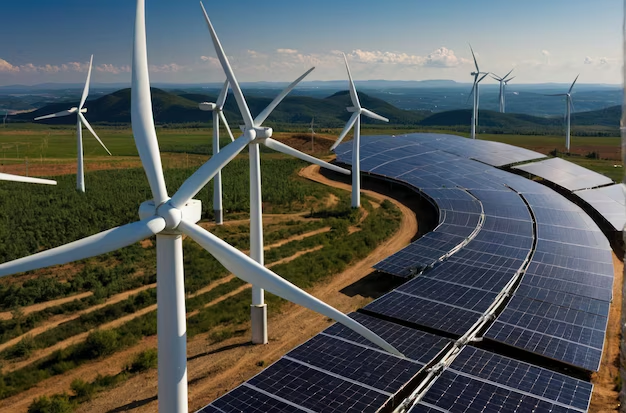
Governments around the world are investing heavily in renewable energy projects, including solar farms, wind power, hydropower, and energy storage systems. Many companies are also adopting sustainability initiatives to reduce their environmental impact, improve energy efficiency, and meet regulatory requirements.
In addition, consumers are becoming more environmentally conscious, encouraging businesses to develop sustainable products and services. These trends continue to increase demand for professionals with expertise in renewable energy, environmental management, and sustainability.
According to the International Energy Agency (IEA) and the International Renewable Energy Agency (IRENA), employment in clean energy is expected to continue growing as global investment in renewable energy expands.
Career Opportunities in Renewable Energy and Sustainability
The renewable energy sector offers opportunities for professionals from engineering, environmental science, business, technology, and project management backgrounds.
Renewable Energy Engineer
Renewable Energy Engineers design, develop, and improve systems that generate electricity from renewable sources such as solar, wind, and hydropower.
Estimated Salary
- United States: USD $80,000–$140,000 per year
- United Kingdom: GBP £42,000–£75,000 per year
- Australia: AUD $90,000–$145,000 per year
Sustainability Consultant
Sustainability Consultants help organizations reduce environmental impact by improving energy efficiency, waste management, and sustainable business practices.
Estimated Salary
- United States: USD $75,000–$125,000 per year
- United Kingdom: GBP £40,000–£70,000 per year
- Australia: AUD $90,000–$135,000 per year
Environmental Scientist
Environmental Scientists study environmental issues, conduct research, assess environmental risks, and recommend solutions for protecting natural resources.
Estimated Salary
- United States: USD $65,000–$105,000 per year
- United Kingdom: GBP £35,000–£60,000 per year
- Australia: AUD $75,000–$115,000 per year
Solar Energy Technician
Solar Energy Technicians install, maintain, and repair solar panel systems used in residential, commercial, and industrial settings.
Estimated Salary
- United States: USD $50,000–$80,000 per year
- United Kingdom: GBP £28,000–£45,000 per year
- Australia: AUD $65,000–$90,000 per year
Wind Turbine Technician
Wind Turbine Technicians inspect, maintain, and repair wind turbines to ensure efficient energy production.
Estimated Salary
- United States: USD $60,000–$90,000 per year
- United Kingdom: GBP £30,000–£50,000 per year
- Australia: AUD $70,000–$100,000 per year
Energy Analyst
Energy Analysts evaluate energy consumption, recommend efficiency improvements, and support organizations in reducing operational costs and carbon emissions.
Estimated Salary
- United States: USD $70,000–$110,000 per year
- United Kingdom: GBP £38,000–£65,000 per year
- Australia: AUD $85,000–$120,000 per year
ESG Specialist
Environmental, Social, and Governance (ESG) Specialists help organizations measure sustainability performance, prepare ESG reports, and ensure compliance with environmental standards and investor expectations.
Estimated Salary
- United States: USD $80,000–$130,000 per year
- United Kingdom: GBP £45,000–£75,000 per year
- Australia: AUD $95,000–$140,000 per year
Skills Needed for Green Careers
Professionals in renewable energy and sustainability require both technical expertise and strong analytical abilities.
Technical Skills
- Renewable energy systems
- Environmental regulations
- Sustainability reporting
- Energy efficiency analysis
- Carbon emissions management
- Project management
- Environmental impact assessment
- Data analysis
- Geographic Information Systems (GIS)
- ESG reporting frameworks
As renewable technologies continue to evolve, professionals who stay current with industry developments are better positioned for career growth.
Professional Skills
Successful professionals in this sector often demonstrate:
- Problem-solving
- Critical thinking
- Communication
- Collaboration
- Adaptability
- Leadership
- Project coordination
- Strategic planning
These skills are essential because sustainability initiatives often involve collaboration across engineering, business, government, and environmental disciplines.
Career Progression
Many professionals begin their careers in technical or analytical positions before moving into leadership roles.
Typical career progression may include:
- Solar Technician → Senior Technician → Project Supervisor → Operations Manager
- Environmental Scientist → Senior Scientist → Environmental Manager → Sustainability Director
- Energy Analyst → Senior Analyst → Energy Manager → Director of Sustainability
- ESG Analyst → ESG Manager → Head of Sustainability → Chief Sustainability Officer (CSO)
Advancement often depends on technical expertise, project experience, leadership ability, and knowledge of environmental regulations.
Advantages and Challenges
The renewable energy and sustainability sector offers exciting opportunities, but it also presents unique challenges.
Advantages
- Strong global demand and long-term career growth.
- Opportunities to contribute to environmental protection.
- Diverse career paths across multiple industries.
- Increasing investment from governments and businesses.
- Competitive salaries in many specialized roles.
Challenges
- Rapid technological changes require continuous learning.
- Environmental regulations may vary between countries.
- Some projects involve working in remote or outdoor locations.
- Large-scale renewable energy projects often require multidisciplinary collaboration.
- Industry standards and sustainability reporting requirements continue to evolve.
Professionals who enjoy innovation and solving environmental challenges often find this field highly rewarding.
Tips for Starting a Career in Renewable Energy
If you are interested in building a career in renewable energy or sustainability, consider the following steps:
- Build a strong foundation in science, engineering, or environmental studies.
- Learn about renewable energy technologies and sustainability practices.
- Gain practical experience through internships or research projects.
- Develop skills in data analysis and project management.
- Stay informed about global environmental policies and clean energy trends.
- Earn certifications relevant to renewable energy or sustainability where appropriate.
- Participate in professional organizations and industry conferences.
- Continue learning as technologies and environmental standards evolve.
Employers increasingly value candidates who combine technical knowledge with a genuine commitment to sustainability.
Conclusion
Renewable energy and sustainability are transforming the global job market by creating careers that support both economic development and environmental responsibility. From engineering and environmental science to energy analysis and ESG reporting, professionals have a growing range of opportunities to contribute to a more sustainable future.
As governments, businesses, and communities continue investing in clean energy and sustainable practices, demand for skilled professionals is expected to remain strong. By developing relevant technical skills, gaining practical experience, and embracing continuous learning, you can build a meaningful career in one of the world’s fastest-growing industries.