Introduction
For many years, careers in skilled trades were often overlooked in favor of traditional office jobs and university-based professions. However, that perception has changed significantly. Today, skilled trade workers are among the most sought-after professionals in many countries due to labor shortages, growing infrastructure projects, and increasing demand for specialized technical expertise.
From electricians and welders to industrial mechanics and HVAC technicians, skilled trades play a critical role in supporting industries that keep economies running. As experienced workers retire and fewer young people enter vocational careers, employers are facing challenges in filling these essential positions.
For individuals who enjoy practical, hands-on work and want a stable career with strong earning potential, skilled trades have become an increasingly attractive option.
Why Skilled Trades Are in High Demand
Several factors have contributed to the rising demand for skilled trade professionals.
Many developed countries are experiencing aging workforces, with a large number of experienced tradespeople reaching retirement age. At the same time, investment in infrastructure, renewable energy, manufacturing, and construction continues to increase, creating additional demand for qualified workers.
Technological advancements have also changed the nature of skilled trades. Modern technicians often work with automated systems, digital diagnostics, robotics, and smart equipment, making today’s trade careers more technical than ever before.
Popular Skilled Trade Careers
Skilled trades cover a wide range of professions across construction, manufacturing, maintenance, and industrial services.
Electrician
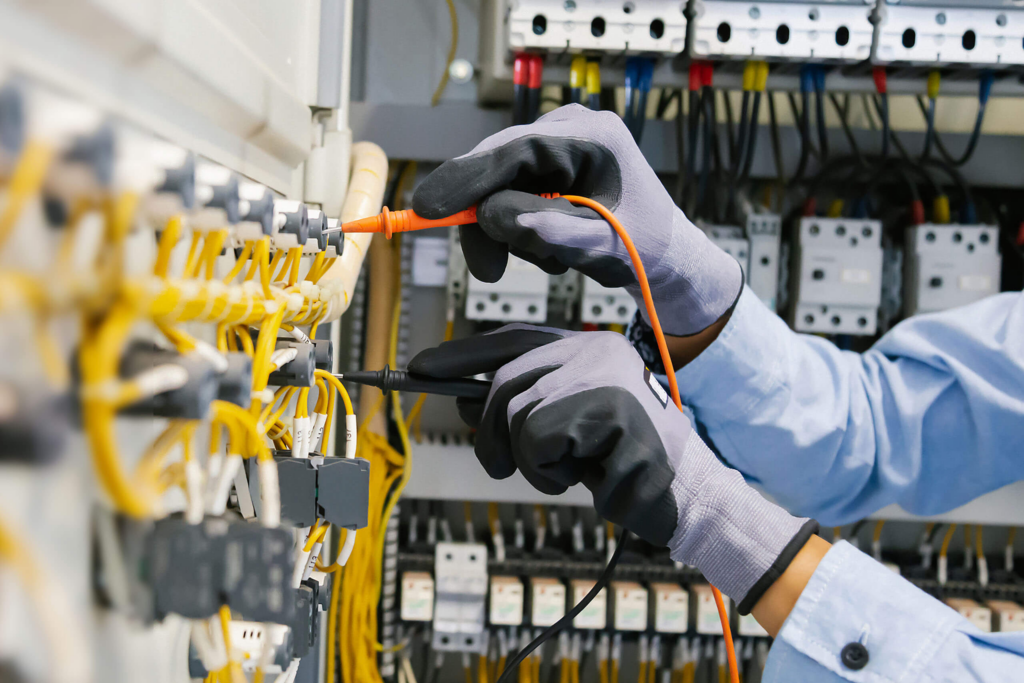
Electricians install, maintain, and repair electrical systems in residential, commercial, and industrial environments. They also work with smart buildings, renewable energy systems, and electrical automation.
Estimated Salary
- United States: USD $60,000–$100,000 per year
- United Kingdom: GBP £35,000–£55,000 per year
- Australia: AUD $80,000–$120,000 per year
HVAC Technician
HVAC technicians install and maintain heating, ventilation, and air conditioning systems in homes, offices, factories, and commercial buildings.
Estimated Salary
- United States: USD $55,000–$90,000 per year
- United Kingdom: GBP £30,000–£48,000 per year
- Australia: AUD $75,000–$110,000 per year
Welder
Welders join metal components used in construction, manufacturing, shipbuilding, pipelines, and heavy industry. Specialized welding skills are particularly valuable in energy and infrastructure projects.
Estimated Salary
- United States: USD $50,000–$90,000 per year
- United Kingdom: GBP £30,000–£50,000 per year
- Australia: AUD $70,000–$110,000 per year
Industrial Maintenance Technician
Industrial maintenance technicians inspect, troubleshoot, and repair manufacturing equipment to ensure production systems operate efficiently.
Estimated Salary
- United States: USD $60,000–$95,000 per year
- United Kingdom: GBP £35,000–£55,000 per year
- Australia: AUD $80,000–$120,000 per year
Automotive Technician
Automotive technicians diagnose, service, and repair vehicles using advanced diagnostic equipment and computerized systems.
Estimated Salary
- United States: USD $50,000–$85,000 per year
- United Kingdom: GBP £28,000–£45,000 per year
- Australia: AUD $65,000–$100,000 per year
Construction Supervisor
Construction supervisors coordinate projects, oversee work crews, monitor safety standards, and ensure construction projects are completed on schedule.
Estimated Salary
- United States: USD $75,000–$120,000 per year
- United Kingdom: GBP £42,000–£70,000 per year
- Australia: AUD $95,000–$140,000 per year
Skills That Make Skilled Workers Valuable
Success in skilled trades requires more than technical ability. Employers increasingly seek professionals who can adapt to modern technologies while maintaining high standards of quality and safety.
Technical Skills
- Equipment installation and maintenance
- Troubleshooting and diagnostics
- Blueprint and technical drawing interpretation
- Mechanical and electrical systems
- Safety procedures
- Precision measurement
- Preventive maintenance
- Use of digital diagnostic tools
- Basic automation knowledge
- Quality control
Many trade professions now involve digital technologies, making computer literacy an important advantage.
Professional Skills
Strong workplace skills are equally important, including:
- Problem-solving
- Communication
- Teamwork
- Time management
- Adaptability
- Attention to detail
- Reliability
- Critical thinking
Employers value workers who can perform technical tasks efficiently while communicating effectively with colleagues, supervisors, and clients.
Career Growth Opportunities
A common misconception is that skilled trades offer limited career advancement. In reality, many professionals progress into leadership, technical specialist, or business ownership roles.
Typical career progression includes:
- Apprentice → Qualified Technician → Senior Technician → Supervisor → Operations Manager
- Junior Electrician → Licensed Electrician → Master Electrician → Electrical Project Manager
- Welder → Senior Welder → Welding Inspector → Welding Engineer or Production Manager
Some experienced tradespeople also establish their own contracting businesses or consulting services, creating additional opportunities for income and career growth.
Advantages and Challenges
Skilled trades provide rewarding careers, but they also require dedication and continuous skill development.
Advantages
- Strong demand across multiple industries.
- Competitive salaries without necessarily requiring a four-year university degree.
- Clear career progression based on experience and expertise.
- Opportunities for self-employment or business ownership.
- Practical work that offers visible and measurable results.
Challenges
- Physically demanding tasks in many roles.
- Strict adherence to workplace safety standards.
- Exposure to varying weather conditions or industrial environments.
- Ongoing training to keep pace with new technologies.
- Project-based workloads that may fluctuate in some industries.
For individuals who enjoy practical work and solving technical problems, these challenges are often balanced by strong career stability and professional satisfaction.
Tips for Starting a Skilled Trade Career
If you are interested in entering a skilled trade profession, consider the following steps:
- Research different trades to identify one that matches your interests and strengths.
- Enroll in a vocational school, technical college, or apprenticeship program.
- Develop strong foundational knowledge in mathematics and technical subjects.
- Gain hands-on experience through internships or apprenticeships.
- Learn to use modern tools, equipment, and digital diagnostic systems.
- Obtain any required licenses or industry certifications.
- Build a reputation for reliability, quality workmanship, and professionalism.
- Continue learning as new technologies and industry standards emerge.
Practical experience, combined with continuous skill development, often plays a greater role in career advancement than formal education alone.
Conclusion
Skilled trades have become more valuable than ever as industries face growing labor shortages, technological change, and increased demand for specialized technical expertise. Careers such as electrician, welder, HVAC technician, industrial maintenance technician, and automotive technician offer strong employment prospects, competitive salaries, and clear opportunities for advancement.
As infrastructure projects expand and experienced workers retire, the need for qualified tradespeople is expected to remain high for years to come. By investing in technical training, gaining hands-on experience, and embracing lifelong learning, individuals can build stable and rewarding careers in one of the most essential sectors of the global workforce.