Introduction
Planning your first international trip can feel exciting, but it can also be overwhelming. Traveling abroad involves more preparation than a domestic trip, especially when it comes to passports, visas, flights, accommodation, travel insurance, money, and local customs.
The good news is that you do not need to be an experienced traveler to organize a successful international vacation. The key is to prepare early and break the process into manageable steps. Instead of trying to arrange everything at once, you can work through each part of the trip one by one.
Whether you are planning a short vacation, a backpacking adventure, or a longer overseas journey, having a clear plan can help you avoid unnecessary stress and make better decisions along the way.
Start by Choosing the Right Destination
The first major decision is where you want to go. Your destination will influence almost every other part of your trip, including your budget, transportation, accommodation, visa requirements, and activities.
If this is your first international trip, choosing a destination with relatively straightforward transportation and tourist infrastructure can make the experience easier.
Consider factors such as:
- Your travel budget
- Weather and travel season
- Language barriers
- Visa requirements
- Transportation options
- Safety conditions
- Cultural differences
- Available activities
- Distance from your home country
Do not choose a destination simply because it looks attractive on social media. A beautiful destination may not necessarily be the best choice for your first trip if transportation is difficult or the overall cost is far beyond your budget.
Set a Realistic Travel Budget
One of the biggest mistakes first-time travelers make is calculating only the cost of flights and hotels. International travel involves many additional expenses.
Your budget should account for:
- Flights
- Accommodation
- Visa fees
- Travel insurance
- Airport transportation
- Local transportation
- Food and drinks
- Attractions and activities
- Shopping
- Mobile data or SIM cards
- Emergency expenses
It is also smart to keep an emergency fund separate from your regular travel budget. Unexpected expenses can happen, such as missed transportation, medical treatment, lost belongings, or changes to your itinerary.
A useful approach is to estimate your expected expenses and then add an additional buffer rather than spending your entire budget on bookings.
Check Your Passport and Visa Requirements
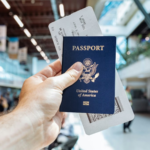
Your passport is one of the most important documents for international travel. Before booking a trip, check whether your passport will remain valid for the required period after your planned arrival or departure.
Some countries also require travelers to have a certain amount of remaining passport validity, while others may require blank pages.
Visa requirements vary depending on your nationality and destination. You may need:
- A tourist visa
- An electronic visa
- An electronic travel authorization
- A visa on arrival
- No visa for a specific period
Always check visa requirements through official government or embassy sources before making final travel arrangements. Rules can change, and relying on outdated information from social media or old travel posts can create serious problems.
Book Your Flights Carefully
Once you have confirmed your destination and documentation requirements, you can start looking for flights.
When comparing flights, do not focus only on the ticket price. Check the entire itinerary, including:
- Number of stops
- Layover duration
- Baggage allowance
- Airport changes
- Departure and arrival times
- Cancellation or change policies
A slightly more expensive flight may be worth choosing if it provides a significantly better schedule or includes baggage.
For your first international trip, avoid unnecessarily complicated connections if possible. A simple itinerary can reduce the chance of missing a connecting flight or becoming confused in an unfamiliar airport.
Choose Accommodation Based on Location
A cheap hotel is not necessarily a good deal if it is far from the places you want to visit.
When choosing accommodation, consider its location in relation to:
- Public transportation
- Major attractions
- Restaurants and convenience stores
- Airports or train stations
- Areas you plan to explore
Read recent reviews and pay attention to comments about cleanliness, location, noise, security, and communication with staff.
You should also check the accommodation’s cancellation policy before booking. Flexible reservations can be useful if your plans change.
Plan Your Itinerary Without Overloading It
It is tempting to create a long list of attractions when visiting a new country. The problem is that trying to visit everything can turn a vacation into a schedule that feels more like work.
Instead, identify a few priorities for each day.
For example, you might organize your itinerary around:
Morning: Major attraction or sightseeing
Afternoon: Local neighborhood, museum, or activity
Evening: Restaurant, shopping area, or relaxed exploration
Leave some free time between activities. Transportation delays, long queues, weather, or simply wanting to spend more time somewhere can affect your schedule.
A flexible itinerary is usually more enjoyable than one where every hour is already planned.
Learn How You Will Get Around
Transportation can become one of the biggest challenges when visiting an unfamiliar country.
Before you arrive, research:
- Public transportation systems
- Airport transfers
- Train and bus networks
- Taxi and ride-hailing services
- Walking distances
- Transportation payment methods
Download maps and transportation apps that work in your destination. Having offline maps available can also be useful if your mobile connection is unavailable.
If you plan to rent a car, check whether you need an international driving permit and understand the local driving regulations before arriving.
Prepare Your Money and Payment Methods
Do not depend entirely on one payment method while traveling internationally.
It is better to have a combination of:
- Credit or debit cards
- Some local cash
- A backup payment card
- Emergency funds
Before leaving, notify your bank if necessary and check whether your cards charge foreign transaction fees.
You should also understand the local currency and exchange rate. Having a rough idea of prices can make it easier to identify unreasonable charges and control your spending.
Consider Travel Insurance
Travel insurance is easy to overlook, especially when you are trying to keep your trip affordable. However, international travel can involve risks that are difficult to predict.
Depending on the policy, travel insurance may provide coverage for situations such as:
- Medical emergencies
- Trip cancellations
- Delayed flights
- Lost or delayed luggage
- Emergency transportation
Coverage varies significantly between providers, so read the policy carefully rather than assuming everything is included.
Pack According to the Trip
Packing too much is another common mistake among first-time travelers.
Start by checking the weather forecast and considering the activities you have planned. Your packing list should generally include:
- Passport and travel documents
- Clothing appropriate for the weather
- Comfortable shoes
- Toiletries
- Medication and essential personal items
- Phone and charger
- Power adapter
- Payment cards and cash
- Copies of important documents
Avoid packing items simply because you think you might need them. Many everyday products can be purchased at your destination if necessary.
Prepare for Cultural Differences
International travel means entering an environment that may have different customs, social expectations, and communication styles.
Before traveling, learn basic information about the local culture. Pay attention to:
- Appropriate clothing
- Dining etiquette
- Tipping practices
- Religious customs
- Public behavior
- Photography restrictions
- Common greetings
Learning a few basic words or phrases in the local language can also make everyday interactions easier and more enjoyable.
You do not need to speak the language fluently. Even simple expressions such as “hello,” “thank you,” and “excuse me” can show respect.
Keep Important Documents Secure
Make digital and physical copies of important documents before leaving.
These may include:
- Passport
- Visa
- Flight reservations
- Hotel reservations
- Travel insurance information
- Emergency contacts
Store digital copies somewhere secure that you can access while traveling. Keep the original documents in a safe place and avoid carrying everything together when exploring your destination.
Common Mistakes First-Time International Travelers Make
A little preparation can prevent many common problems.
Some mistakes worth avoiding include:
Booking Everything Too Quickly
Do not book flights or accommodation before checking visa requirements, travel dates, and the overall cost of the trip.
Planning Too Many Activities
Trying to visit every attraction can leave you exhausted. Give yourself enough time to actually enjoy the destination.
Ignoring Local Transportation
Knowing how to get from the airport to your accommodation before arriving can eliminate unnecessary stress after a long flight.
Carrying Too Much Cash
Cash can be useful, but carrying large amounts creates additional risk. Use secure payment methods when appropriate.
Forgetting Travel Insurance
A relatively small saving on insurance may not be worth the financial risk of dealing with a major unexpected problem abroad.
A Simple International Travel Planning Timeline
You do not have to prepare everything a few days before departure. Starting early makes the process much easier.
Several Months Before
- Choose your destination.
- Estimate your budget.
- Check passport validity.
- Research visa requirements.
- Compare flight options.
- Research accommodation.
One to Two Months Before
- Finalize flights and accommodation.
- Purchase travel insurance.
- Plan major activities.
- Research transportation.
- Prepare necessary documents.
One to Two Weeks Before
- Check the weather.
- Confirm reservations.
- Prepare your packing list.
- Arrange mobile data or roaming.
- Exchange or prepare some local currency.
- Download useful travel apps and offline maps.
Before Departure
- Check your passport and travel documents.
- Charge your devices.
- Organize your luggage.
- Keep important documents accessible.
- Confirm flight details.
Final Thoughts
Your first international trip does not need to be perfectly planned. What matters is making sure the important things are covered before you leave.
Start with the destination, budget, passport, and visa requirements. From there, organize flights, accommodation, transportation, activities, money, insurance, and packing. Once those essentials are handled, you can focus more on enjoying the experience rather than worrying about what could go wrong.
International travel may seem complicated at first, but the process becomes much easier once you understand what needs to be prepared. With a realistic budget, a flexible itinerary, and good preparation, your first trip abroad can become the foundation for many more adventures in the future.