Introduction
Your first trip can be exciting, but traveling somewhere unfamiliar also comes with a learning curve. You have to deal with airports, transportation, unfamiliar currencies, different customs, and sometimes a language you do not speak. Most of these things are manageable, but small mistakes can become stressful when you are not prepared.
The good news is that you do not need to know everything before your first trip. You simply need to understand the basics and prepare for the situations that are most likely to affect your journey.
From organizing important documents to managing money and staying safe, these practical travel tips can help first-time travelers feel more prepared without turning the entire trip into a complicated project.
1. Research Your Destination Before You Leave
Do not arrive in a new country knowing nothing about it.
Before your trip, learn the basics about your destination, including:
- Local weather
- Currency
- Transportation
- Common customs
- Language
- Local laws
- Safety considerations
- Opening hours of major attractions
- Emergency procedures
You do not need to memorize a travel guide. Focus on information that will affect your daily experience.
Knowing how to get from the airport to your accommodation, for example, is much more useful than memorizing a list of twenty tourist attractions.
2. Check Your Passport and Visa Requirements
Your passport is the most important document you carry when traveling internationally.
Check its expiration date well before your departure. Some countries require travelers to have several months of passport validity remaining after their intended arrival or departure date.
You should also determine whether you need a visa, electronic travel authorization, or another form of entry permission.
Do not rely entirely on old blog posts or social media videos for this information. Immigration requirements can change. Check official government or embassy sources for the most current requirements.
3. Make Copies of Important Documents
Losing your passport or travel documents abroad can be extremely stressful. Preparing backup copies before leaving can make the situation easier to handle.
Keep digital and physical copies of:
- Passport
- Visa or travel authorization
- Flight reservations
- Hotel reservations
- Travel insurance
- Emergency contacts
- Important identification documents
Store digital copies somewhere secure that you can access while traveling.
However, a digital copy is not necessarily a replacement for the original document. Keep your actual passport and other required documents secure throughout the trip.
4. Do Not Overpack
First-time travelers often pack too much because they are afraid of forgetting something.
The result is usually a heavy suitcase filled with items they never use.
Before packing, check the weather and think about what you will actually do during the trip. Prioritize versatile clothing and essential personal items.
A basic packing list might include:
- Comfortable clothes
- Comfortable walking shoes
- Toiletries
- Necessary medication
- Phone and charger
- Power adapter
- Passport and travel documents
- Payment cards
- Some local currency
If you are unsure whether you need something, ask yourself whether you are likely to use it more than once. If not, consider leaving it behind.
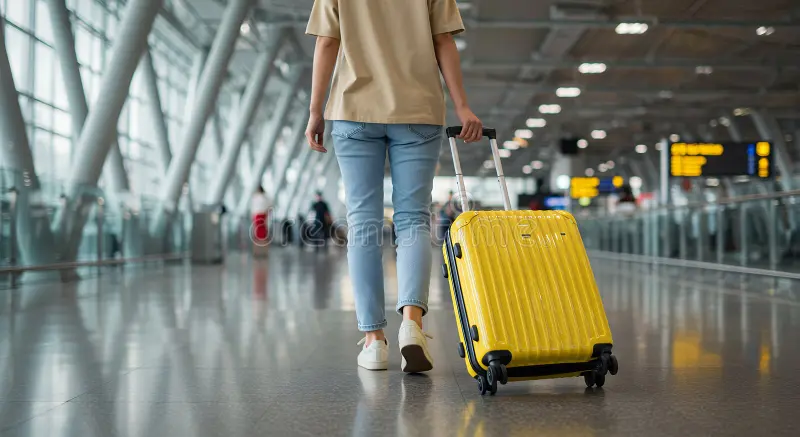
5. Arrive at the Airport Early
Airports can be confusing, especially when you have never traveled internationally before.
You may need to go through check-in, baggage drop-off, security screening, immigration, and sometimes additional procedures before reaching your gate.
Arriving early gives you time to deal with unexpected problems without immediately feeling rushed.
For an international flight, allow plenty of time for airport procedures and follow your airline’s recommended arrival time. Larger airports can require considerably more time than you might expect.
6. Keep Your Important Items Accessible
Do not put your passport, wallet, phone, or essential medication at the bottom of your luggage.
Keep important items somewhere secure and easy to access.
During transit, your essential documents should remain with you rather than being placed in checked baggage.
A small travel organizer or secure bag can help keep passports, boarding passes, cards, and other documents together.
7. Learn How Local Transportation Works
Transportation is one of the first challenges you will face after arriving.
Before your trip, research how to travel from the airport to your accommodation and how public transportation works.
Find out:
- Which trains or buses you can use
- How tickets are purchased
- Whether you need a transportation card
- Whether ride-hailing services are available
- How much airport transportation normally costs
Having this information before you arrive can prevent you from making rushed decisions after a long flight.
8. Carry More Than One Payment Method
Do not rely entirely on one credit or debit card.
Cards can be lost, blocked, declined, or affected by technical problems. Having a backup provides another way to pay for essentials.
Consider carrying:
- A primary payment card
- A backup card
- Some local cash
- Emergency funds
Keep your backup payment method separate from your primary wallet. If one is lost, you will still have another option.
9. Understand the Local Currency
Before traveling, learn the approximate exchange rate of your destination’s currency.
You do not need to calculate every purchase manually, but understanding the rough value can help you make better spending decisions.
Be careful when exchanging money at airports or tourist areas because exchange rates and fees may be less favorable.
When using cards or ATMs abroad, also pay attention to additional fees and currency conversion options.
10. Get Mobile Data or a Reliable Internet Connection
Having internet access can make international travel much easier.
You may need it to:
- Use maps
- Translate signs
- Check transportation
- Contact your accommodation
- Book tickets
- Use ride-hailing services
- Communicate with family
- Access digital travel documents
Depending on your destination and phone, you may use international roaming, a local SIM card, or an eSIM.
Before departure, make sure your phone is compatible with the option you plan to use.
11. Learn a Few Local Phrases
You do not need to become fluent in the local language before your trip.
Learning a few basic phrases can still be extremely useful.
Start with:
- Hello
- Thank you
- Please
- Excuse me
- Sorry
- Yes
- No
- Where is…?
- How much does this cost?
- I don’t understand
Even when many people at your destination speak English, making an effort to use basic local expressions can make everyday interactions easier.
12. Respect Local Customs
Traveling means entering a culture that may have different expectations from your own.
Research basic etiquette before visiting.
This could include:
- Appropriate clothing
- Religious customs
- Tipping
- Photography rules
- Dining etiquette
- Public behavior
- Greetings
Something that seems normal in your home country may be considered inappropriate elsewhere. A few minutes of research can prevent unnecessary misunderstandings.
13. Do Not Try to See Everything
This is one of the biggest mistakes first-time travelers make.
They create an itinerary filled with attractions and then spend the entire trip rushing from one place to another.
Instead, choose a few priorities and leave room for unexpected experiences.
A relaxed afternoon exploring a neighborhood can sometimes be more enjoyable than checking another famous attraction off your list.
Travel is not a competition. You do not get extra points for seeing the most places.
14. Keep Your Itinerary Flexible
Having a plan is useful, but a rigid schedule can create unnecessary stress.
Flights can be delayed. Weather can change. Attractions can close. You may discover something interesting that was never part of your original plan.
Build some flexibility into your itinerary.
For example, instead of booking activities for every hour, leave several open periods where you can decide what to do based on the situation.
15. Consider Travel Insurance
Travel insurance is not exciting, but it can be valuable when something goes wrong.
Depending on the policy, coverage may include situations such as:
- Medical emergencies
- Trip cancellation
- Travel delays
- Lost or delayed baggage
- Emergency transportation
Policies differ significantly, so read the terms carefully before purchasing one. Do not assume that every policy covers every possible problem.
16. Be Careful With Your Belongings
You do not need to be paranoid while traveling, but you should pay attention to your belongings.
Busy tourist areas, public transportation, and crowded markets can create opportunities for theft.
Simple precautions include:
- Keep valuables secure.
- Avoid displaying large amounts of cash.
- Use bags that close securely.
- Keep your phone away when it is not needed.
- Be particularly careful in crowded areas.
- Avoid leaving important belongings unattended.
The goal is not to spend your vacation worrying about crime. It is simply to avoid making yourself an easy target.
17. Save Emergency Information
Before leaving, save important emergency information on your phone and keep a written copy if necessary.
Include:
- Local emergency services
- Your country’s embassy or consulate
- Travel insurance contact information
- Accommodation details
- Emergency contacts at home
Also make sure someone you trust knows your general travel plans.
Social media can be useful for finding inspiration, but it is not always a reliable representation of a destination.
A location may look spectacular in photographs while being crowded, expensive, difficult to access, or underwhelming in person.
Use social media as one source of ideas rather than your only source of travel information.
Check multiple sources and recent reviews before making decisions.
19. Keep Track of Your Spending
It is easy to lose track of money while traveling because you are making many small purchases throughout the day.
Record your spending regularly.
You can divide expenses into categories such as:
- Accommodation
- Food
- Transportation
- Activities
- Shopping
- Miscellaneous expenses
This makes it easier to see whether you are staying within your budget and adjust your spending before the trip is over.
20. Give Yourself Time to Adjust
Your first international trip may not go perfectly, and that is normal.
You might take the wrong train, struggle to communicate, misunderstand a local custom, or realize that your itinerary was too ambitious.
Do not let small mistakes ruin the entire experience.
Travel becomes easier with experience. The first trip teaches you what works for you, what you need to pack, how much planning you prefer, and what kind of destinations you enjoy.
A Simple Checklist Before Your First Trip
Before leaving home, make sure you have covered the essentials:
Documents
- Passport
- Visa or travel authorization
- Flight information
- Accommodation details
- Travel insurance
Money
- Primary payment card
- Backup payment method
- Local currency
- Emergency funds
Technology
- Phone
- Charger
- Power adapter
- Mobile data
- Offline maps
Health and Safety
- Necessary medication
- Emergency contacts
- Insurance information
- Copies of important documents
Travel Planning
- Airport transportation
- Basic itinerary
- Local transportation information
- Weather forecast
- Important local customs
Conclusion
Your first international trip does not need to be perfect. It just needs enough preparation to prevent avoidable problems.
Research your destination, check your travel documents, manage your money carefully, learn how to get around, respect local customs, and keep your itinerary flexible. Most importantly, do not let the fear of making mistakes stop you from enjoying the experience.
You will probably make a few mistakes during your first trip. That is part of becoming a more confident traveler. The goal is not to eliminate every unexpected situation but to be prepared enough to handle them when they happen.
With the right preparation and a practical mindset, your first international journey can be far less stressful—and much more enjoyable.