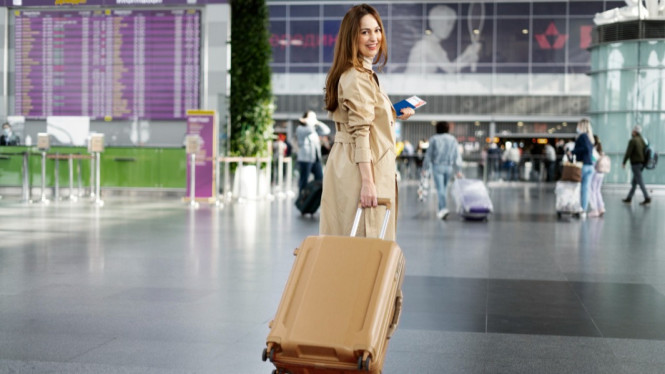
Traveling to another country alone can feel exciting and scary at the same time. You may imagine yourself exploring a new city, trying local food, and meeting new people. But you may also worry about getting lost, spending too much money, or dealing with unexpected problems without anyone you know nearby.
These fears are normal, especially if this is your first solo international trip. The good news is that you do not need to be fearless before you travel. You simply need to prepare well.
Good preparation can turn an uncertain trip into an enjoyable experience. By planning your money, transportation, accommodation, and daily activities in advance, you can reduce many of the problems that cause anxiety.
Why Does Solo International Travel Feel Scary?
The biggest challenge for first-time solo travelers is often uncertainty.
When you travel with friends or family, you have someone to discuss decisions with. When you travel alone, every decision is yours. You need to decide where to stay, how to get around, where to eat, and what to do next.
This can feel overwhelming.
Another common fear is money. Many first-time travelers worry about running out of cash, losing their wallet, or spending more than they planned.
Instead of ignoring these fears, use them as a reason to prepare better.
You do not need to know everything that will happen. You just need a plan for the situations that are reasonably likely to happen.
Start With a Realistic Travel Budget
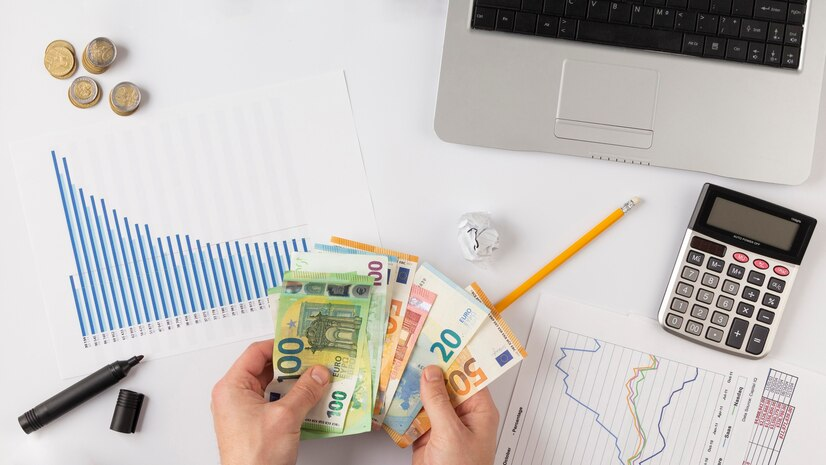
One of the best ways to reduce stress during a solo trip is to know exactly how much you can afford to spend.
Do not start by asking, “How much money should I bring?”
Start with a more important question:
“How much can I safely spend on this trip without causing financial problems when I return home?”
Your travel budget should include more than flights and hotels. Consider transportation, food, activities, travel insurance, visas if required, mobile data, shopping, and emergency expenses.
A simple budget can be divided into several categories:
- Flights or other transportation
- Accommodation
- Food and drinks
- Local transportation
- Attractions and activities
- Travel insurance
- Visa and travel documents
- Internet or mobile data
- Emergency money
- Personal spending
This gives you a clearer picture of the real cost of your trip.
Create an Emergency Fund
Your normal travel budget is not the same as your emergency fund.
This is an important distinction for solo travelers.
Your emergency money should only be used when something unexpected happens. For example, you may need to pay for an unexpected hotel night, replace a lost document, visit a doctor, or change your transportation because of a disruption.
Keep this money separate from your daily spending money.
You can also keep some emergency funds in a different payment method. For example, if you normally use a debit card, consider carrying another card separately and keeping some cash in a secure location.
The goal is simple: if one payment method stops working, you still have another option.
Research the Cost of Your Destination
Before booking anything, research the typical costs in your destination.
Look at hotel prices, public transportation, meals, entrance fees, and other expenses that you expect to have.
Do not create a budget based on the cheapest prices you find online. That can give you a false sense of security.
Instead, use realistic prices.
For example, if you find a hotel for $20 per night but most suitable hotels cost around $40, using $20 as your main budget number is risky.
It is better to overestimate your daily expenses slightly than to underestimate them.
Book Your First Night in Advance
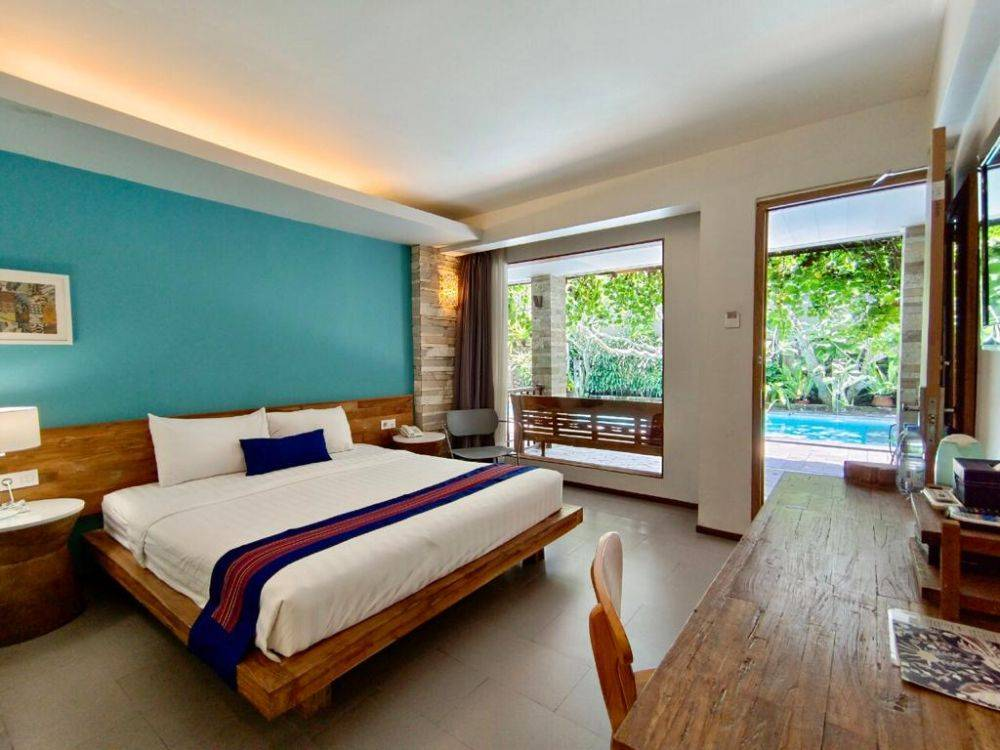
If you are nervous about traveling alone, do not make your first day unnecessarily difficult.
Book your accommodation for at least the first night before leaving home.
This gives you a clear destination as soon as you arrive. You do not need to walk around an unfamiliar city looking for a hotel after a long flight.
Choose accommodation based on more than price. Check its location, reviews, transportation access, and safety.
A slightly more expensive hotel in a convenient location can sometimes save you money and stress because you spend less on transportation and have an easier time getting around.
Plan Your Arrival Carefully
The first few hours in a foreign country can feel overwhelming.
You may be tired from the flight, unfamiliar with the language, and unsure how public transportation works.
Research your route from the airport to your accommodation before you leave.
Know whether you will use a train, bus, airport shuttle, taxi, or ride-hailing service. Save the address of your accommodation offline so you can access it even without an internet connection.
Having a simple arrival plan removes one major source of anxiety.
You do not need to plan every minute of your trip. Just make sure you know what you are doing when you land.
Do Not Pack Too Much
Packing light is especially useful when traveling alone.
Remember that you are responsible for carrying everything you bring.
A large suitcase may become difficult when you need to use public transportation, walk through busy streets, or change accommodation.
Pack clothing that can be used for different situations. Bring essential toiletries, important documents, medication if needed, chargers, and other items that you genuinely use.
Before packing something, ask yourself:
“Will I actually use this?”
If the answer is no, leave it at home.
Learn a Few Important Local Phrases
You do not need to become fluent in the local language before your trip.
Learning a few basic phrases can be enough to make everyday situations easier.
Useful phrases include:
- Hello
- Thank you
- Excuse me
- How much is this?
- Where is the bathroom?
- I need help
- I don’t understand
You can also download an offline translation tool before leaving.
The purpose is not to speak perfectly. It is to have enough communication skills to handle basic situations with confidence.
Make a Flexible Itinerary
A common mistake among first-time travelers is creating an extremely detailed itinerary.
It may look organized, but it can make your trip stressful.
Instead, create a simple daily plan with a few important activities. Leave some free time between them.
For example, you might plan to visit a museum in the morning, explore a local neighborhood in the afternoon, and have dinner in the evening.
You do not need to fill every hour.
One advantage of traveling alone is freedom. If you discover an interesting place, you can stay longer. If you feel tired, you can return to your accommodation.
Keep Your Money and Documents Safe
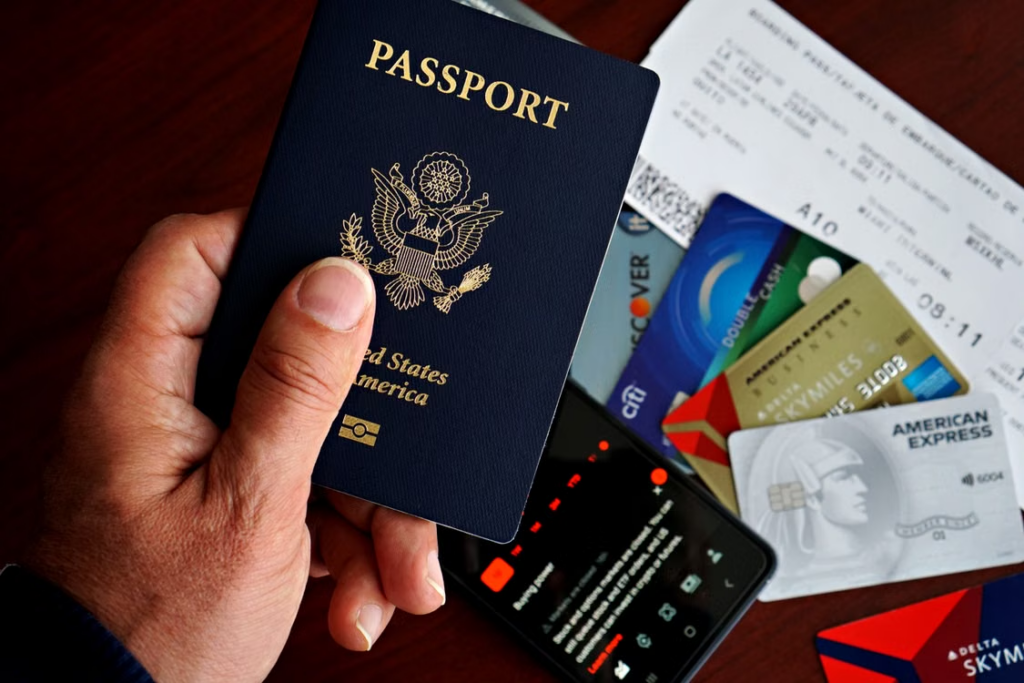
Losing your passport or money in another country can quickly turn a good trip into a stressful situation.
Keep your important documents secure and make digital copies of your passport, visa, travel insurance, accommodation details, and important contact information.
Do not keep all your cash and cards in one place.
If your wallet is lost or stolen, having another payment method stored separately can make a huge difference.
It is also useful to keep some emergency cash separate from your main wallet.
Tell Someone About Your Travel Plans
Traveling alone does not mean nobody should know where you are.
Share your basic itinerary with someone you trust. Let them know your flight details, accommodation, and general travel plans.
You do not need to send constant updates throughout the day.
A simple check-in message can be enough.
This is useful not only for safety but also for peace of mind. Knowing that someone at home knows your general location can make solo travel feel less intimidating.
Start Small If You Are Very Nervous
You do not have to begin with a two-week solo trip across several countries.
That is unnecessary.
If you are extremely nervous about traveling alone, start with something smaller. You could take a short solo trip within your own country first.
This allows you to practice making decisions, managing your budget, navigating transportation, and handling unexpected situations.
Once you become comfortable traveling alone, an international trip will feel much more manageable.
Confidence usually comes from experience, not from waiting until you feel completely ready.
What If Something Goes Wrong?
This is one of the biggest fears among first-time solo travelers.
What happens if you miss your train? What if your phone stops working? What if your flight is delayed?
The answer is simple: problems happen.
You do not need to prevent every possible problem. Instead, prepare for the most likely ones.
Keep backup payment methods, important phone numbers, offline maps, copies of your documents, and emergency funds.
If something goes wrong, stop and think before making a decision.
You are much more likely to solve a problem effectively when you stay calm instead of immediately panicking.
Give Yourself Permission to Feel Nervous
Being nervous does not mean you are not ready.
You can be nervous and still have a great trip.
In fact, waiting until you feel absolutely confident may mean you never go anywhere outside your comfort zone.
The goal is not to eliminate fear completely. The goal is to make sure fear does not control your decisions.
Preparation gives you something more useful than confidence: options.
When you know where you will stay, how much money you have, how you will get around, and what to do if something goes wrong, the unknown becomes much less frightening.
Final Thoughts
Your first solo international adventure does not need to be perfect.
You will probably make small mistakes. You may take the wrong train, order food you do not like, spend more than expected one day, or change your plans at the last minute.
That is part of traveling.
The important thing is to prepare for the things that matter most.
Build a realistic budget, keep emergency money, research your destination, book your first night, protect your documents, and have a backup plan for important situations.
Most importantly, do not let the fear of traveling alone convince you that you cannot do it.
You do not need to be fearless.
You need to be prepared enough to handle uncertainty.
Once you take that first step, you may discover that traveling alone is not as frightening as you imagined.