
Introduction
Augmented Reality (AR) and Virtual Reality (VR) have evolved from niche technologies into practical tools used across a variety of industries. While gaming remains one of the most recognizable applications, immersive technologies are now transforming healthcare, education, manufacturing, retail, architecture, and workforce training.
As organizations continue exploring interactive digital experiences, demand is growing for professionals who can design, build, and optimize AR and VR solutions. For individuals interested in combining creativity with technology, this field offers exciting career opportunities and the chance to contribute to one of the fastest-evolving areas of digital innovation.
Understanding AR and VR
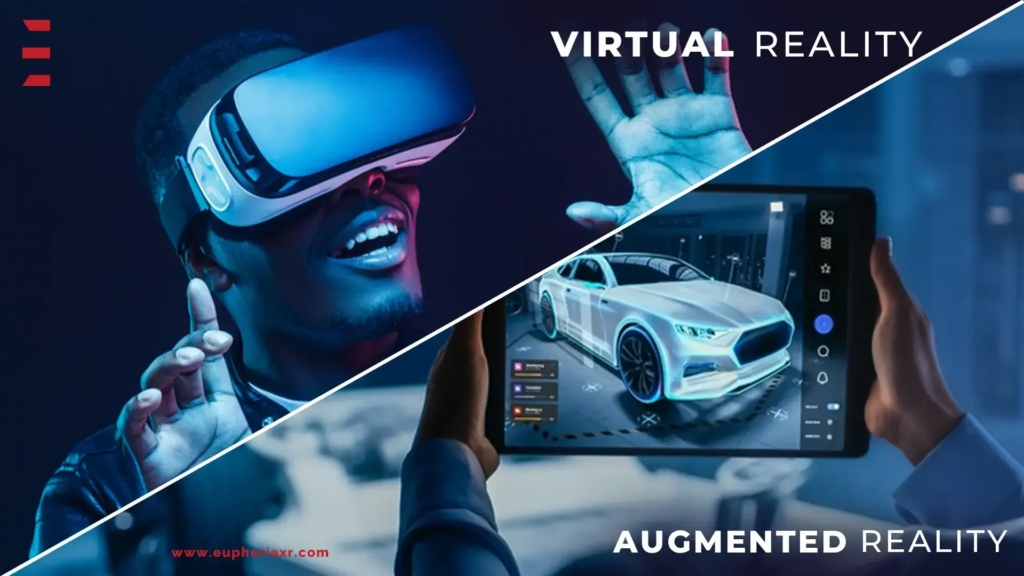
Although they are often mentioned together, AR and VR serve different purposes.
Augmented Reality (AR) enhances the real world by overlaying digital content—such as images, animations, or information—onto a user’s physical environment through smartphones, tablets, or AR glasses.
Virtual Reality (VR) creates a fully immersive digital environment where users interact with computer-generated spaces using specialized headsets and controllers.
Many organizations also explore Mixed Reality (MR), which blends elements of both technologies by allowing digital and physical objects to interact in real time.
Together, these technologies are reshaping how people learn, collaborate, shop, train, and experience digital content.
Where AR and VR Are Making an Impact
The adoption of immersive technology continues to expand well beyond entertainment.
Some of the industries investing heavily in AR and VR include:
- Gaming and entertainment
- Healthcare and medical training
- Education and e-learning
- Manufacturing and industrial automation
- Architecture and construction
- Retail and e-commerce
- Automotive
- Real estate
- Defense and military training
- Tourism and cultural experiences
As hardware becomes more affordable and software capabilities improve, organizations are discovering new ways to integrate immersive experiences into their products and services.
Career Opportunities in AR and VR
The AR and VR ecosystem includes professionals from software development, design, engineering, and creative industries.
AR/VR Developer
Builds immersive applications using game engines, programming languages, and spatial computing technologies.
XR Software Engineer
Develops applications for Extended Reality (XR), an umbrella term that includes AR, VR, and Mixed Reality experiences.
3D Artist
Creates characters, environments, animations, and digital assets used in immersive applications.
UI/UX Designer for AR/VR
Designs intuitive interfaces and user interactions specifically for immersive environments, ensuring experiences are both engaging and easy to navigate.
Technical Artist
Bridges the gap between art and programming by optimizing visual assets for performance while maintaining high-quality graphics.
Unity or Unreal Engine Developer
Builds interactive experiences using popular game engines that power many AR and VR applications across industries.
AR/VR Product Manager
Coordinates product development, works with multidisciplinary teams, and ensures immersive solutions align with business objectives and user needs.
Skills That Help You Succeed
A successful career in AR and VR often requires knowledge from several technical and creative disciplines.
Technical Skills
- Programming with C#, C++, or JavaScript
- Unity or Unreal Engine
- 3D modeling fundamentals
- Computer graphics
- Spatial computing concepts
- AR development frameworks
- VR interaction design
- Version control with Git
- Basic knowledge of computer vision
- Performance optimization for immersive applications
Experience with 3D design software such as Blender, Autodesk Maya, or similar tools can also be valuable, particularly for content creation roles.
Soft Skills
- Creativity
- Problem-solving
- Communication
- Collaboration
- Adaptability
- Attention to detail
- User-centered thinking
- Continuous learning
Since AR and VR projects often involve developers, designers, artists, and product teams working together, strong collaboration skills are essential.
A Typical Career Journey
There is no single path into the AR and VR industry. Professionals often come from backgrounds such as software engineering, game development, computer graphics, industrial design, or interactive media.
Many begin their careers as Junior AR/VR Developers, 3D Artists, or Unity Developers, where they build practical experience creating interactive applications.
As they develop stronger technical and design skills, they may advance to positions such as AR Engineer, VR Developer, XR Software Engineer, or Technical Artist, taking ownership of more complex projects and collaborating with multidisciplinary teams.
Experienced professionals can progress into leadership roles such as Lead XR Developer, Immersive Technology Architect, Product Manager, or Engineering Manager. Others choose to specialize in areas like simulation, enterprise training solutions, medical visualization, or immersive education platforms.
Challenges in the Field
Like many emerging technologies, AR and VR present unique technical and creative challenges.
Professionals in this field often need to:
- Balance visual quality with application performance.
- Design experiences that feel natural and intuitive.
- Optimize applications for different hardware platforms.
- Keep pace with rapidly evolving devices and development frameworks.
- Address user comfort, accessibility, and motion-related issues in immersive environments.
Overcoming these challenges requires continuous experimentation and a willingness to adapt as technology evolves.
How to Prepare for an AR/VR Career
Building practical experience is one of the best ways to enter the industry.
Consider the following steps:
- Learn the fundamentals of programming and interactive application development.
- Become familiar with Unity or Unreal Engine.
- Practice creating simple AR or VR applications.
- Develop basic 3D modeling and animation skills.
- Build a portfolio that showcases immersive projects.
- Participate in hackathons, game jams, or open-source communities.
- Stay informed about emerging XR technologies and industry trends.
- Explore applications of AR and VR beyond gaming to understand broader business opportunities.
Employers often look for candidates who can demonstrate real projects and a strong understanding of user experience rather than relying solely on academic qualifications.
Future Outlook
The future of AR and VR extends well beyond entertainment. Improvements in wearable devices, artificial intelligence, cloud computing, and spatial computing are expected to accelerate the adoption of immersive technologies across industries.
Businesses are increasingly using AR for maintenance support, remote collaboration, and product visualization, while VR continues to expand in employee training, healthcare simulations, education, and virtual collaboration. As these applications become more common, professionals with expertise in immersive technologies are likely to find growing opportunities in both established companies and innovative startups.
Conclusion
Augmented Reality and Virtual Reality are reshaping the way people interact with digital information, creating new possibilities across education, healthcare, manufacturing, entertainment, and many other industries. As adoption continues to grow, organizations need professionals who can combine technical expertise, creativity, and user-centered design to develop immersive experiences.
Whether your interests lie in software development, 3D art, interaction design, or product strategy, AR and VR offer diverse career paths with strong long-term potential. By developing practical skills, building an impressive portfolio, and staying current with emerging technologies, aspiring professionals can position themselves for success in one of the most innovative fields of the digital economy.




 and Virtual Reality (VR): Jobs, Skills, and Opportunities)