
Introduction
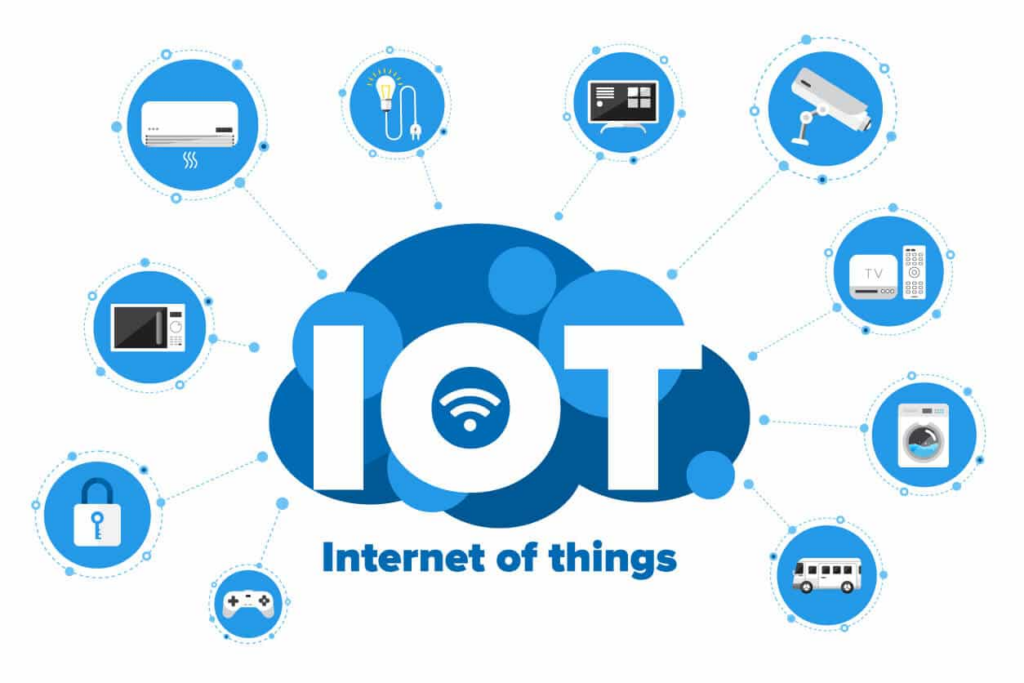
The Internet of Things (IoT) has changed the way devices communicate and interact with the world around them. From smart home appliances and wearable fitness trackers to connected vehicles and industrial automation systems, IoT enables everyday objects to collect, exchange, and analyze data in real time.
As businesses increasingly adopt connected technologies to improve efficiency and automate operations, the demand for professionals with IoT expertise continues to rise. This rapidly growing field combines hardware, software, networking, and data analytics, creating diverse career opportunities for people with different technical backgrounds.
Understanding the Internet of Things
The Internet of Things refers to a network of physical devices equipped with sensors, software, and internet connectivity that allows them to collect and exchange data. These connected devices can communicate with one another or with centralized platforms, enabling organizations to monitor operations, automate processes, and make more informed decisions.
IoT is used in a wide range of applications, including smart cities, healthcare monitoring, agriculture, manufacturing, transportation, retail, and energy management. As connected ecosystems become more sophisticated, organizations require skilled professionals to develop, secure, and maintain these systems.
Why IoT Is Creating New Career Opportunities
Organizations are generating more operational data than ever before through connected devices. This data helps businesses improve productivity, reduce costs, predict equipment failures, and deliver better customer experiences.
The growth of technologies such as 5G, cloud computing, edge computing, artificial intelligence, and industrial automation has further accelerated IoT adoption. As a result, companies are looking for professionals who can integrate these technologies into reliable and secure connected solutions.
Career Opportunities in IoT
IoT combines multiple disciplines, resulting in a broad range of career options.
IoT Developer
Designs and develops software that enables connected devices to communicate, process data, and interact with cloud platforms.
Embedded Systems Engineer
Builds the software and firmware that power IoT devices, ensuring they operate efficiently and reliably.
IoT Solutions Architect
Designs complete IoT ecosystems by combining hardware, networking, cloud infrastructure, and data services.
IoT Security Specialist
Protects connected devices and networks from cyber threats while ensuring data privacy and system integrity.
Network Engineer
Develops and maintains communication networks that support reliable connections between IoT devices.
Data Engineer or IoT Data Analyst
Processes and analyzes data generated by connected devices to help organizations improve operations and make informed decisions.
Industrial Automation Engineer
Implements IoT technologies within manufacturing and industrial environments to increase efficiency and automate production processes.
Skills Employers Look For
Because IoT sits at the intersection of multiple technologies, employers often seek candidates with broad technical capabilities.
Technical Skills
- Programming languages such as Python, C, or C++
- Embedded systems development
- Networking fundamentals
- Cloud computing platforms
- IoT communication protocols (MQTT, CoAP, HTTP)
- Sensor integration
- Microcontrollers and single-board computers
- Data analytics
- Cybersecurity fundamentals
- Edge computing concepts
Experience with platforms such as Arduino, Raspberry Pi, or ESP32 can also provide valuable practical knowledge, particularly for entry-level positions.
Soft Skills
- Problem-solving
- Critical thinking
- Communication
- Collaboration
- Adaptability
- Attention to detail
- Project management
- Continuous learning
Professionals who can communicate effectively across hardware, software, and business teams are often highly valued.
Industries Driving IoT Growth
IoT adoption continues to expand across numerous industries, creating opportunities in both established organizations and emerging technology companies.
Major employers include:
- Manufacturing
- Healthcare
- Agriculture
- Transportation and logistics
- Energy and utilities
- Smart city development
- Automotive
- Consumer electronics
- Telecommunications
- Retail
As connected technologies become more widespread, demand for IoT professionals is expected to extend into additional sectors.
Building a Career in IoT
Many IoT professionals begin with a background in computer science, electrical engineering, electronics, information technology, or telecommunications. However, the field also welcomes professionals who develop practical experience through personal projects, internships, and interdisciplinary learning.
A common career progression includes starting as an Embedded Systems Developer, Junior IoT Engineer, or Network Engineer before advancing to roles such as IoT Engineer, IoT Solutions Architect, or IoT Technical Lead. Experienced professionals may eventually move into engineering management, product leadership, or consulting positions.
Because IoT technologies evolve quickly, continuous learning is an important part of long-term career development.
Preparing for the Future
The IoT landscape continues to change as new technologies emerge. Professionals who stay informed about trends such as edge AI, digital twins, smart infrastructure, autonomous systems, and sustainable technologies will be better positioned for future opportunities.
Building practical experience is equally important. Employers often value candidates who have designed connected devices, developed IoT applications, or implemented sensor-based solutions, even if those projects were completed independently or as part of academic work.
Conclusion
The Internet of Things is transforming industries by connecting devices, generating valuable data, and enabling smarter decision-making. As organizations continue investing in digital transformation, the need for professionals who can design, deploy, and manage IoT systems is expected to grow.
Whether your interests lie in embedded systems, networking, cloud computing, cybersecurity, or data analytics, IoT offers a variety of career paths with strong long-term potential. By developing a solid technical foundation, gaining hands-on experience, and keeping pace with emerging technologies, aspiring professionals can build successful careers in this rapidly expanding field.




: Opportunities and Required Skills)