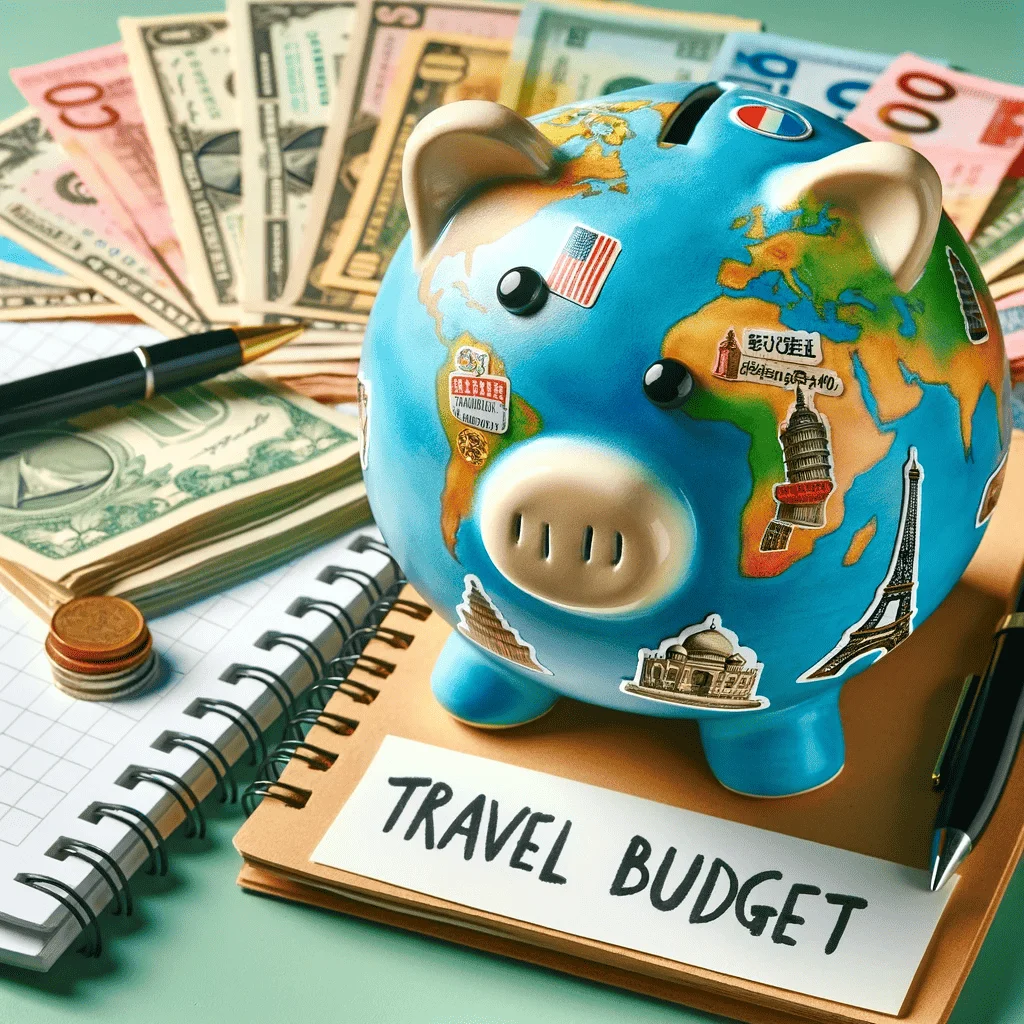
Traveling abroad doesn’t have to drain your savings. A lot of people assume international trips are automatically expensive, but with the right habits, you can stretch your budget much further than you’d expect. The key isn’t cutting out the fun parts of travel, it’s being smarter about where your money actually goes.
This article walks through practical, realistic ways to save money on your next trip abroad, from booking flights to handling everyday spending once you land.
Book Flights Strategically
Flights are usually the biggest chunk of any travel budget, which makes them the best place to start saving. Prices can swing wildly depending on when you book, when you fly, and which airports you choose.
A few habits that help:
- Use flight comparison sites and set price alerts weeks in advance
- Fly on weekdays instead of weekends, since fares tend to be cheaper
- Consider nearby airports instead of only the main one in your destination city
- Book one-way tickets separately if it turns out cheaper than round-trip
- Stay flexible with your travel dates when possible, even by a day or two
Booking too close to your departure date is one of the fastest ways to overpay, so try to lock in flights at least a few weeks ahead whenever your schedule allows it.
Choose Budget-Friendly Accommodation
Where you stay can make a huge difference in your overall spending. Hotels aren’t always necessary, especially if you’re traveling to save money rather than for luxury.

Hostels, guesthouses, and budget apartments through rental platforms are often significantly cheaper than hotels, and many come with kitchens where you can cook your own meals. Staying slightly outside the main tourist area can also cut costs, since prices tend to drop the further you get from major attractions.
Eat Like a Local
Restaurants near tourist attractions almost always charge more, simply because they can. If you want to eat well without overspending, follow where the locals eat.
Street food, local markets, and small family-run restaurants usually offer better prices and often better flavor than tourist-focused spots. If your accommodation has a kitchen, buying groceries for at least a few meals can also add up to significant savings over a longer trip.
Use Public Transportation
Taxis and private transfers are convenient, but they’re rarely the cheapest option. Public transportation, whether it’s buses, trains, or subways, is almost always more affordable and gives you a more authentic feel for the city you’re visiting.
Many cities also offer multi-day transit passes, which can be a much better deal than paying per ride if you’re planning to explore a lot. Walking, when it’s safe and practical, is free and often the best way to stumble onto places you wouldn’t otherwise find.
Track Your Daily Spending
It’s easy to lose track of how much you’re spending abroad, especially when you’re converting currencies in your head or paying with a card. Setting a rough daily budget and checking in on it every few days helps you catch overspending before it becomes a problem.
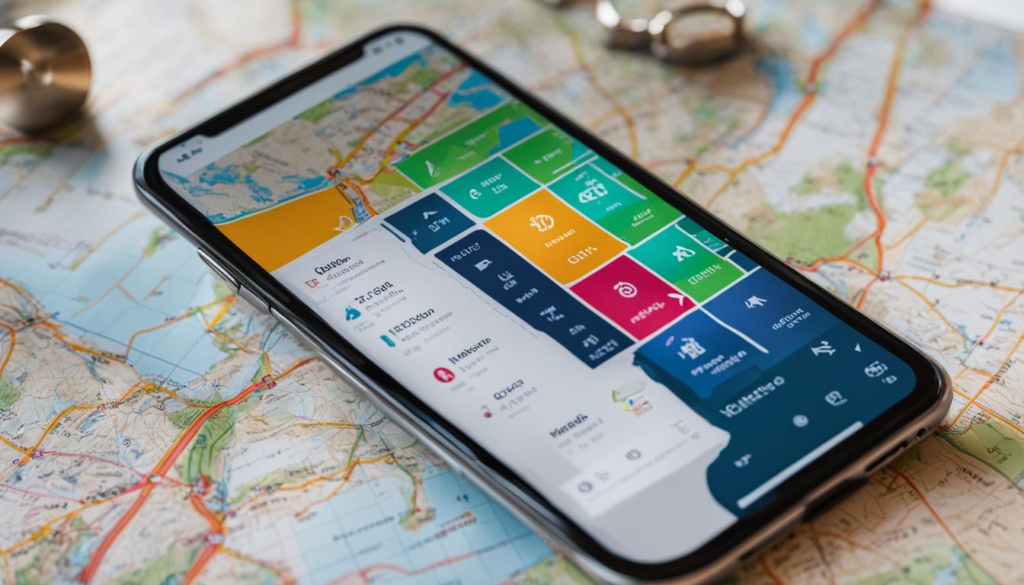
There are plenty of free apps designed specifically for tracking travel expenses, and many let you split spending across multiple currencies automatically.
Be Smart About Currency and Card Fees
Currency exchange and banking fees can quietly eat into your budget without you noticing. Airport currency exchange counters usually offer the worst rates, so it’s better to exchange money at a local bank or use an ATM once you’ve arrived.
Before you leave, check whether your bank charges foreign transaction fees, and consider getting a travel-friendly card that doesn’t. Withdrawing larger amounts less frequently can also help you avoid repeated ATM fees.
Take Advantage of Free Activities
Not every memorable experience requires spending money. Many cities offer free walking tours, public parks, free museum days, and beautiful viewpoints that cost nothing to visit.
Doing a bit of research before you arrive can help you build a itinerary that mixes paid attractions with free ones, so you’re not tempted to pay for every single activity just because it’s there.
Travel During Off-Peak Season
Prices for flights, accommodation, and even some activities tend to drop outside of peak travel season. Traveling just a few weeks before or after the busiest months can mean noticeably lower prices and smaller crowds, which often makes for a more relaxed trip anyway.
Final Thoughts
Saving money while traveling abroad isn’t about skipping the experiences that matter to you. It’s about being intentional with where your money goes, cutting costs on the things that don’t add much value, and putting that saved budget toward the parts of the trip you actually care about. With a bit of planning, you can travel further and more often without constantly worrying about your bank account.