Introduction
Digital products have become an essential part of everyday life, from mobile apps and websites to enterprise software and smart devices. As users expect digital experiences to be intuitive, efficient, and visually appealing, companies are placing greater emphasis on user-centered design.
This shift has significantly increased the demand for UI/UX designers. Organizations are looking for professionals who can create products that not only look attractive but also solve user problems and provide seamless experiences. As a result, UI/UX design has become one of the most sought-after careers in the digital industry.
Understanding UI and UX Design
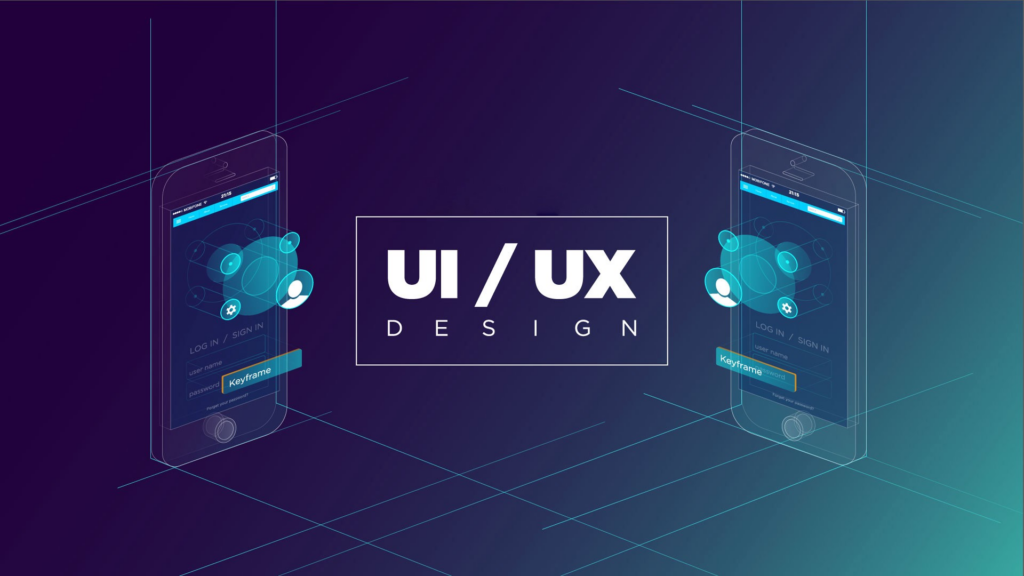
Although UI (User Interface) and UX (User Experience) are often mentioned together, they focus on different aspects of product design.
User Interface (UI) Design focuses on the visual elements of a digital product, including layouts, colors, typography, icons, buttons, and interactive components. The goal is to create interfaces that are both visually appealing and easy to use.
User Experience (UX) Design focuses on the overall experience users have while interacting with a product. UX designers research user needs, organize information, design user flows, and test solutions to ensure products are intuitive, accessible, and effective.
In many organizations, UI and UX are separate roles, while others combine both responsibilities into a single UI/UX Designer position.
Why UI/UX Design Is a Growing Career
As digital products become more competitive, businesses recognize that a positive user experience can directly influence customer satisfaction, engagement, and retention. Companies are investing in design not only to improve aesthetics but also to create products that are easier to use and more aligned with user needs.
The growth of mobile applications, web platforms, software-as-a-service (SaaS), fintech, healthcare technology, and e-commerce has further expanded the need for skilled UI/UX professionals. Today, nearly every organization that develops digital products benefits from strong design expertise.
Career Opportunities
UI/UX designers can build careers across a wide range of industries, including:
- Technology companies
- Software development firms
- E-commerce businesses
- Financial technology (FinTech)
- Healthcare technology
- Educational technology (EdTech)
- Digital agencies
- Gaming companies
- Media organizations
- Startups
Common job roles include:
- UI Designer
- UX Designer
- Product Designer
- Interaction Designer
- Visual Designer
- UX Researcher
- Information Architect
- UX Writer
- Design System Designer
Many professionals also work as freelancers or remote designers for international companies.
Roles and Responsibilities
The responsibilities of UI/UX designers vary depending on the organization, but commonly include:
- Conducting user research and interviews.
- Understanding user needs and business objectives.
- Creating user personas and user journeys.
- Designing wireframes and interactive prototypes.
- Developing user interface layouts and visual components.
- Conducting usability testing.
- Collaborating with product managers and developers.
- Maintaining design consistency through design systems.
- Continuously improving products based on user feedback.
Skills and Qualifications
A successful UI/UX designer combines design thinking, technical knowledge, and effective communication.
Technical Skills
- User research
- Wireframing and prototyping
- Information architecture
- User flow design
- Visual design principles
- Typography and color theory
- Responsive design
- Accessibility standards
- Design systems
- Familiarity with tools such as Figma, Adobe XD, or Sketch
Basic knowledge of HTML and CSS can also be helpful when collaborating with developers, although it is not always required.
Soft Skills
- Creativity
- Empathy
- Communication
- Critical thinking
- Problem-solving
- Collaboration
- Attention to detail
- Adaptability
Employers often place significant value on a strong design portfolio that demonstrates practical projects, design processes, and problem-solving abilities.
Career Path
UI/UX design offers multiple opportunities for professional growth.
Junior UI/UX Designer
Supports design projects while learning design processes, user research methods, and collaboration with development teams.
UI/UX Designer
Works independently on product features, creates user-centered designs, and contributes throughout the product development cycle.
Senior UI/UX Designer
Leads complex design projects, mentors junior designers, and helps establish design standards within the organization.
Lead Product Designer or Design Manager
Coordinates design teams, oversees product design strategy, and ensures consistency across multiple products.
Head of Design or Design Director
Defines the organization’s overall design vision, manages design operations, and aligns user experience with business objectives.
Some professionals also specialize in UX research, interaction design, accessibility, service design, or design systems.
Advantages and Challenges
Advantages
- Strong demand across the technology industry.
- Opportunities to influence products used by millions of people.
- A balance of creativity and analytical thinking.
- Flexible career paths and specialization options.
- Remote and freelance opportunities.
- Continuous learning through evolving design trends and technologies.
Challenges
- Balancing user needs with business goals and technical constraints.
- Incorporating feedback from multiple stakeholders.
- Managing changing project requirements.
- Staying current with evolving design tools and best practices.
- Demonstrating the value of design decisions through research and testing.
Tips for Starting a Career in UI/UX Design
If you’re interested in becoming a UI/UX designer, consider these steps:
- Learn the fundamentals of user-centered design.
- Practice using industry-standard design tools such as Figma.
- Study design principles, typography, color theory, and accessibility.
- Build a portfolio that showcases your design process, not just the final visuals.
- Conduct personal design projects or redesign existing products for practice.
- Learn basic usability testing and user research techniques.
- Seek feedback from experienced designers and continuously improve your work.
- Stay informed about current design trends and emerging technologies.
A well-documented portfolio that demonstrates how you solve real user problems is often one of the strongest assets when applying for UI/UX design roles.
Conclusion
UI/UX design has become a vital part of modern product development as organizations strive to create digital experiences that are intuitive, engaging, and user-focused. The increasing demand for well-designed digital products has created numerous career opportunities across industries and around the world.
Whether you choose to specialize in user research, interface design, product design, or interaction design, the field offers continuous learning and long-term career growth. By developing a strong design portfolio, understanding user needs, and refining both technical and communication skills, aspiring UI/UX designers can build successful careers in one of the most dynamic areas of the digital economy.