When planning a home renovation, it is easy to focus on how a new kitchen, bathroom, or living room will look. However, a remodeling project can also be an opportunity to improve the functionality of your home and potentially increase its market value.
Not every home improvement project provides the same return. Some upgrades can make a property more attractive to buyers, while others may cost significantly more than the value they add.
If you are considering remodeling your home, understanding which improvements tend to provide the most value can help you prioritize your budget.
From kitchen renovations and bathroom upgrades to energy-efficient improvements and exterior projects, here are some of the most worthwhile home remodeling ideas to consider.
1. Upgrade the Kitchen
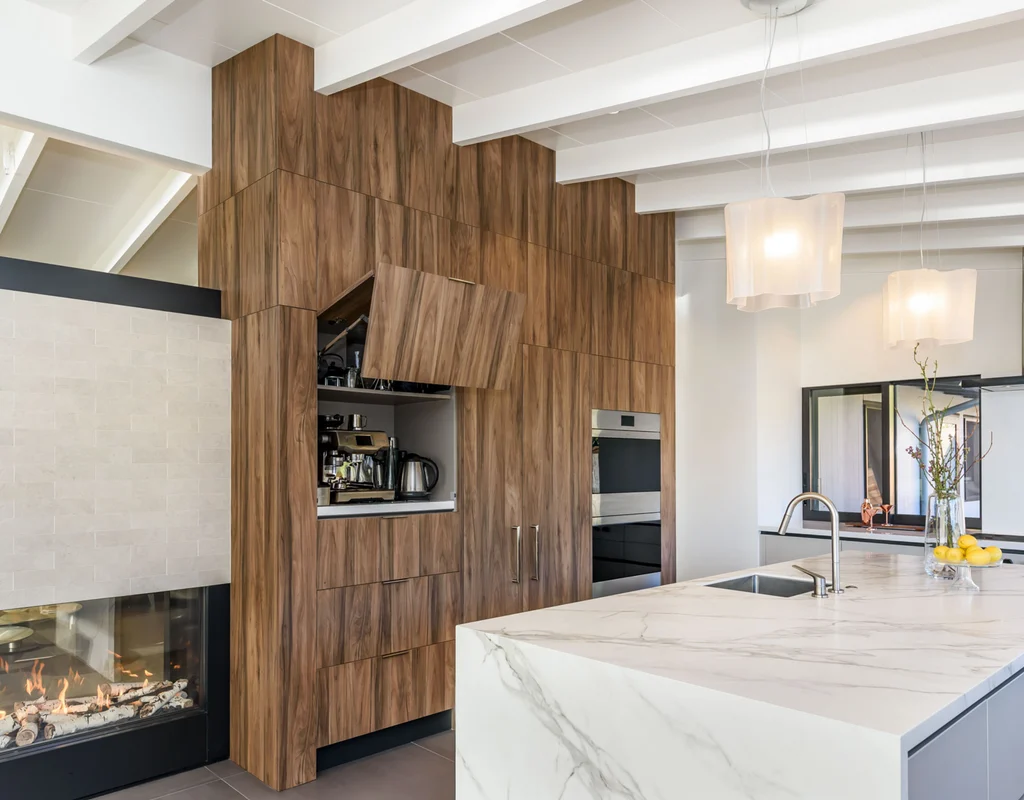
The kitchen is often one of the first areas homeowners consider when planning a renovation.
A dated kitchen can make an otherwise attractive house feel older, while a well-designed kitchen can improve both everyday functionality and buyer appeal.
However, a valuable kitchen renovation does not necessarily require completely replacing everything.
A cost-conscious kitchen remodel might include:
- Repainting or refinishing cabinets
- Replacing cabinet hardware
- Installing modern lighting
- Updating countertops
- Replacing outdated appliances
- Adding a backsplash
- Improving storage
- Replacing worn flooring
If the existing kitchen layout works well, keeping the sink, stove, refrigerator, and major plumbing connections in their current locations can help control construction costs.
Moving plumbing and electrical systems can significantly increase the complexity of a renovation.
Focus on Function Before Luxury
When remodeling a kitchen, prioritize features that improve functionality.
For example, additional storage, better lighting, durable countertops, and an efficient work layout may provide more practical value than expensive decorative features.
A luxury appliance package may look impressive, but homeowners should consider whether the additional expense makes sense for their property and neighborhood.
The best kitchen renovation is usually one that improves the space without making it significantly more expensive than comparable homes in the area.
2. Remodel the Bathroom
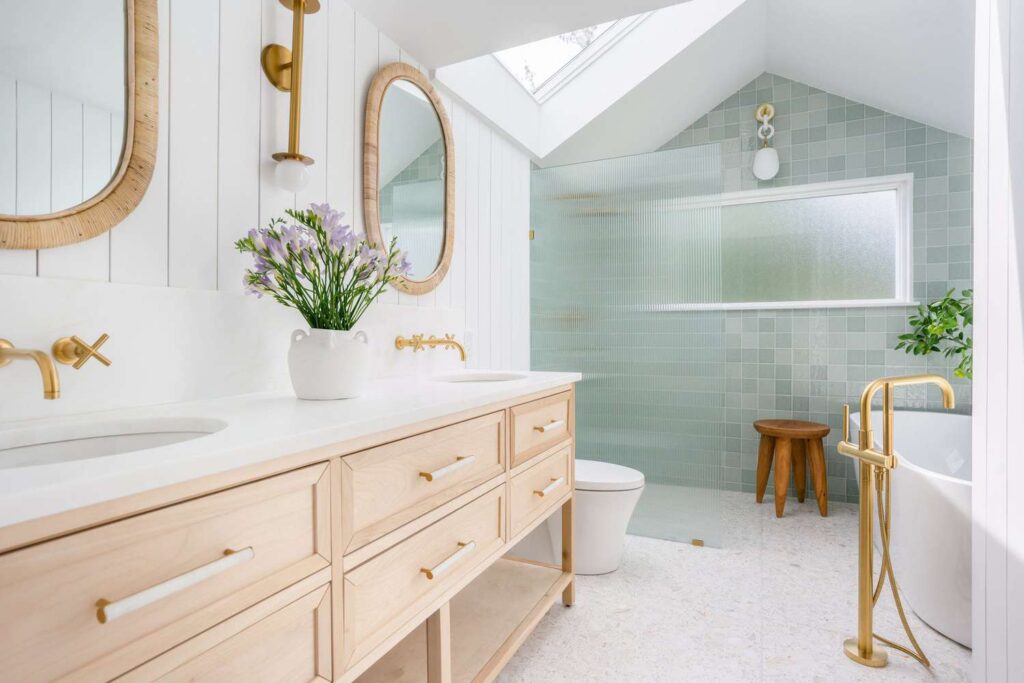
Bathroom remodeling is another popular home improvement project.
Buyers generally expect bathrooms to be clean, functional, and relatively modern. An outdated bathroom with damaged flooring, poor lighting, old fixtures, or insufficient storage can make a property less appealing.
A bathroom renovation could include:
- Replacing an outdated vanity
- Installing modern faucets
- Updating lighting
- Replacing damaged tile
- Installing a walk-in shower
- Improving ventilation
- Adding storage
- Replacing an old toilet
- Installing a modern mirror
- Updating shower fixtures
You do not always need to completely redesign the bathroom.
A cosmetic renovation can sometimes produce a noticeable visual improvement without the expense of moving plumbing or changing the room’s structure.
Consider a Walk-In Shower
Walk-in showers have become increasingly popular in modern bathroom design.
They can provide easier access, a cleaner appearance, and a more contemporary look.
A well-designed shower can include features such as:
- Frameless glass
- Built-in niches
- Handheld showerheads
- Multiple shower controls
- Modern tile
- Bench seating
However, the design should match the property’s overall price range. Spending heavily on luxury bathroom features may not make financial sense in a lower-priced home.
3. Improve the Home’s Curb Appeal
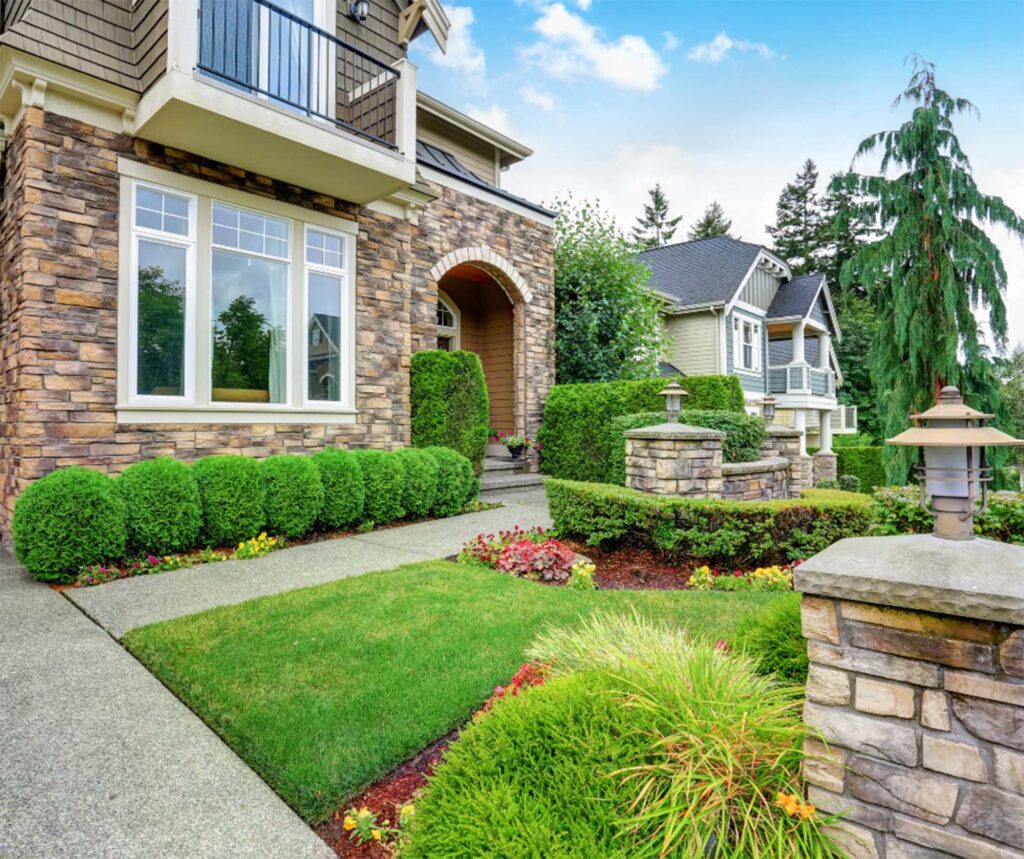
Homeowners often concentrate on interior remodeling and overlook the exterior.
That can be a mistake.
The exterior is the first part of a property that potential buyers see. A home with attractive landscaping, clean siding, a well-maintained driveway, and an inviting entrance can create a stronger first impression.
Curb appeal improvements may include:
- Landscaping
- Exterior painting
- New front door
- Updated exterior lighting
- Pressure washing
- Driveway improvements
- New house numbers
- Improved walkway
- Fresh mulch or planting
- Updated garage door
Some exterior projects can be relatively inexpensive compared with major interior renovations.
For example, improving landscaping and repainting an outdated front door can dramatically change the appearance of a property without requiring a large construction project.
4. Replace Old Windows
Windows play an important role in comfort, appearance, maintenance, and energy efficiency.
Old or damaged windows may allow drafts and outside noise into the home while making heating and cooling systems work harder.
Replacing inefficient windows with modern energy-efficient models can improve the overall performance of the property.
Potential benefits include:
- Better insulation
- Reduced drafts
- Improved indoor comfort
- Lower heating and cooling demand
- Reduced exterior noise
- Updated appearance
However, window replacement can be a substantial investment.
Before starting the project, homeowners should compare the condition of existing windows with the expected benefits of replacement.
If the windows are still functional and reasonably efficient, other improvements may provide a better use of the renovation budget.
5. Improve Energy Efficiency
Energy-efficient home improvements can be particularly attractive because they combine comfort, operating costs, and long-term functionality.
Potential projects include:
- Attic insulation
- Air sealing
- Energy-efficient windows
- Efficient HVAC equipment
- Smart thermostats
- Improved ductwork
- Energy-efficient appliances
- LED lighting
- Efficient water heaters
- Solar energy systems
The best improvement depends heavily on the home’s current condition and local climate.
For example, improving insulation may be a higher priority in a home with poor thermal performance than installing an expensive decorative upgrade.
Before investing in energy improvements, consider getting an energy assessment to identify where the home is losing the most energy.
6. Create an Open and Functional Floor Plan
Open floor plans have been popular in residential design for years, particularly for kitchens, dining areas, and living rooms.
Removing an unnecessary interior wall can make a home feel larger and improve the connection between rooms.
However, not every wall can or should be removed.
Some walls are load-bearing, meaning they contribute to the structural integrity of the building.
Other walls may contain:
- Electrical wiring
- Plumbing
- HVAC ducts
- Gas lines
Before removing a wall, homeowners should have the structure evaluated by an appropriately qualified professional.
A structural change can also require permits and additional engineering work.
When done correctly, however, improving the flow between common living areas can significantly change how a home feels.
7. Add Better Storage
Storage is one of the most practical improvements homeowners can make.
A house may have plenty of square footage but still feel cramped if there is not enough organized storage.
Useful storage improvements include:
- Walk-in closets
- Built-in shelving
- Pantry storage
- Mudroom cabinets
- Garage organization
- Under-stair storage
- Bathroom cabinets
- Bedroom closets
Built-in storage can be particularly useful in smaller homes because it allows homeowners to use otherwise wasted space.
For example, the area underneath stairs can sometimes be converted into drawers, cabinets, or a small storage room.
8. Finish an Unused Basement
If your home has an unfinished basement, converting the space into usable living area can potentially increase its functionality.
Depending on the property, a basement could become:
- A family room
- Home office
- Guest bedroom
- Entertainment area
- Home gym
- Children’s playroom
- Hobby room
However, basement remodeling requires careful planning.
Moisture problems should be addressed before installing finished walls or flooring. Depending on the location and intended use, electrical systems, insulation, ventilation, emergency exits, and permits may also need to be considered.
A finished basement should feel like a natural extension of the home rather than an unfinished space with furniture added to it.
9. Add a Dedicated Home Office
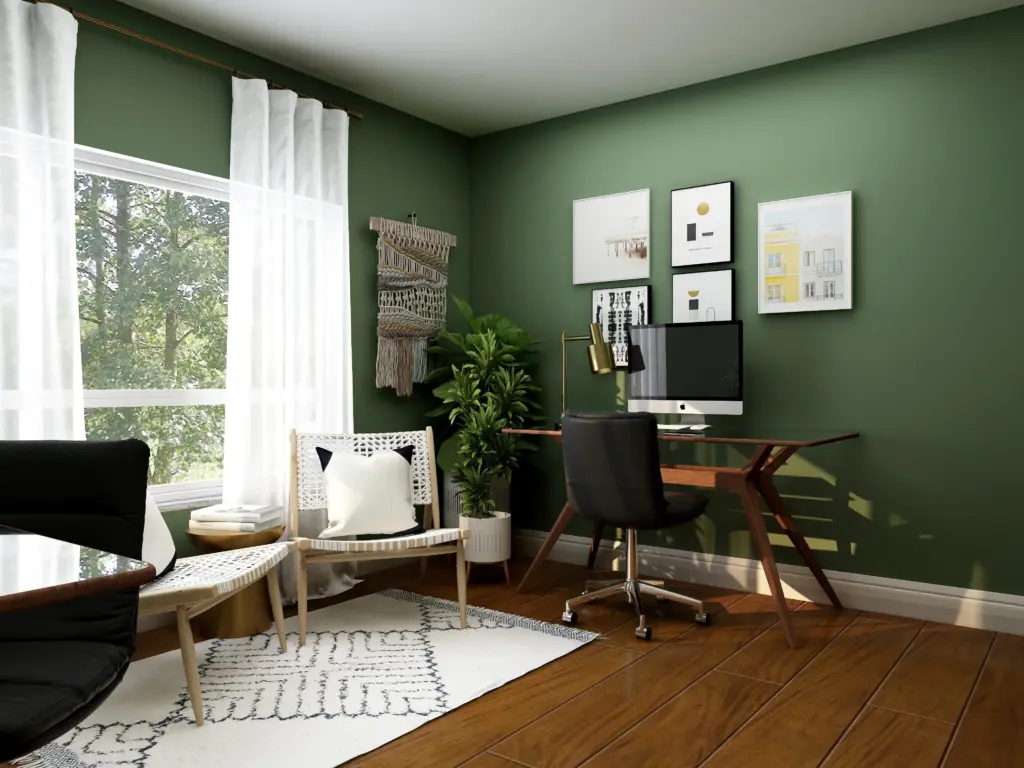
The way people use their homes has changed significantly.
A dedicated workspace can be a useful feature for homeowners who work remotely or need a quiet area for studying and administrative tasks.
A home office does not necessarily require a large room.
An unused bedroom, portion of a finished basement, or carefully designed corner of a larger room may be enough.
Important considerations include:
- Reliable electrical outlets
- Strong internet connectivity
- Adequate lighting
- Comfortable temperature
- Noise control
- Ergonomic furniture
- Storage
Built-in desks and shelving can create a professional workspace while keeping the room organized.
10. Upgrade Flooring
Flooring has a major visual impact because it covers a large portion of the home.
Replacing worn carpet, damaged hardwood, or outdated flooring can make an interior feel substantially newer.
Popular flooring options include:
Hardwood
Hardwood can provide a timeless appearance and may be attractive to buyers. It is available in many species, finishes, widths, and price ranges.
Luxury Vinyl
Luxury vinyl flooring can provide the appearance of wood or stone while offering durability and relatively easy maintenance.
Tile
Tile is particularly useful in bathrooms, kitchens, entryways, and other areas exposed to moisture.
Carpet
Carpet remains useful for bedrooms and spaces where homeowners want a softer, quieter surface.
The right flooring depends on the room, climate, household needs, and budget.
11. Improve Lighting Throughout the Home
Lighting is often overlooked during renovation planning.
A room with poor lighting can feel smaller, darker, and less inviting even when the underlying architecture is attractive.
A modern lighting plan can combine:
- Ambient lighting
- Task lighting
- Accent lighting
- Natural light
For kitchens, task lighting under cabinets can improve visibility.
In bathrooms, properly positioned vanity lighting can provide better illumination for grooming.
In living rooms, layered lighting can create different atmospheres depending on how the room is being used.
Replacing outdated light fixtures is also one of the simpler ways to update the appearance of a room.
12. Upgrade the Entryway
The entryway creates an important first impression.
A simple entryway renovation could include:
- New front door
- Modern hardware
- Better lighting
- Durable flooring
- Storage bench
- Coat hooks
- Console table
- Decorative mirror
The front door itself can have a significant visual impact.
Even if a complete replacement is outside the budget, repainting the door and replacing outdated hardware can provide a relatively inexpensive improvement.
13. Improve Outdoor Living Space
Outdoor living areas can make a property more functional, particularly in regions where outdoor spaces can be used throughout much of the year.
Potential improvements include:
- Deck
- Patio
- Covered seating
- Outdoor kitchen
- Fire pit
- Landscape lighting
- Privacy screening
- Outdoor furniture
A simple patio with comfortable seating may be more practical than an expensive outdoor kitchen.
As with interior renovations, the best approach is to consider how the space will actually be used.
14. Upgrade the HVAC System
Heating and cooling systems are major components of a home’s comfort and operating costs.
If an HVAC system is old, inefficient, unreliable, or approaching the end of its expected service life, replacement may be worth considering.
A modern HVAC system can potentially improve:
- Temperature consistency
- Energy efficiency
- Indoor comfort
- Air quality
- Reliability
However, HVAC replacement is not a purely cosmetic project.
The correct system should be appropriately sized for the home and installed by a qualified professional.
Oversized or undersized equipment can create comfort and efficiency problems.
15. Don’t Ignore Maintenance Projects
Some of the most valuable improvements are not glamorous.
A homeowner may prefer a luxury kitchen or designer bathroom, but structural and maintenance problems should usually be addressed first.
Important maintenance projects can include:
- Roof repairs
- Foundation repairs
- Water damage
- Electrical problems
- Plumbing leaks
- Drainage problems
- Poor insulation
- Damaged siding
- Mold remediation
A beautiful interior does not compensate for a leaking roof or serious structural problem.
If you are planning to sell the property, unresolved maintenance issues may also become a negotiating point during the sale.
How to Prioritize Home Remodeling Projects
If your budget is limited, you do not need to remodel everything at once.
A useful strategy is to divide improvements into three categories.
High Priority
These are projects involving safety, structural integrity, water intrusion, major mechanical systems, or serious maintenance issues.
Medium Priority
These projects improve functionality, comfort, and everyday usability.
Examples include:
- Kitchen improvements
- Bathroom updates
- Storage
- Flooring
- Lighting
- HVAC improvements
Low Priority
These are primarily aesthetic or luxury upgrades.
Examples include:
- Decorative finishes
- Premium fixtures
- Custom features
- Luxury appliances
- High-end landscaping
This approach allows you to spend your remodeling budget where it has the greatest practical impact.
How Much Should You Spend on a Home Remodel?
There is no universal remodeling budget that works for every property.
Instead, consider the home’s current market value, your financial situation, the expected length of time you will remain in the property, and comparable homes in your neighborhood.
If you plan to sell soon, avoid making extremely personalized improvements that may not appeal to the majority of potential buyers.
Neutral colors, durable materials, functional layouts, and good-quality fixtures tend to have broader appeal.
If you plan to remain in the home for many years, personal preferences may play a larger role.
A renovation can provide value through enjoyment and improved functionality even if the project does not generate an immediate financial return.
Common Home Remodeling Mistakes to Avoid
Starting Without a Clear Budget
A renovation can quickly become more expensive when decisions are made during construction.
Establish a realistic budget before work begins and maintain a reserve for unexpected expenses.
Choosing the Cheapest Contractor
Price is important, but the lowest estimate is not automatically the best choice.
Review the contractor’s scope, experience, licensing, insurance, references, timeline, and payment terms.
Over-Improving the Property
A high-end renovation may not make financial sense if surrounding properties have significantly lower values.
Consider the neighborhood and comparable homes before committing to expensive upgrades.
Ignoring Permits
Some renovation projects require permits and inspections.
Requirements vary by location and project type, so check with the appropriate local authority before construction begins.
Changing the Plan Too Often
Changes made after construction starts can increase costs and delay the project.
Finalize as many decisions as possible before work begins.
Final Thoughts
The best home remodeling ideas are not necessarily the most expensive ones.
Projects that improve functionality, address maintenance problems, modernize outdated spaces, improve energy efficiency, and enhance curb appeal can make a home more comfortable while potentially increasing its attractiveness to future buyers.
Kitchen and bathroom improvements remain popular choices, but homeowners should also consider less visible upgrades such as insulation, HVAC systems, windows, storage, electrical improvements, and structural repairs.
Before starting a renovation, determine what your home actually needs, establish a realistic budget, compare qualified contractors, and prioritize projects based on your long-term goals.
A successful remodel is ultimately about finding the right balance between cost, functionality, design, durability, and property value.