The bedroom is one of the most important rooms in a home because it is where people begin and end each day. A well-designed bedroom should do more than look attractive. It should provide comfort, privacy, practical storage, appropriate lighting, and a relaxing atmosphere.
Modern bedroom design has increasingly moved toward a combination of simplicity, natural materials, soft textures, and carefully planned lighting. Instead of filling the room with furniture and decorations, designers are focusing on creating calm spaces where every element has a clear purpose.
A luxury bedroom does not necessarily require expensive furniture or an oversized room. With the right layout, materials, colors, lighting, and storage solutions, even an average-sized bedroom can feel sophisticated and comfortable.
Here are 15 modern bedroom design ideas that can help transform an ordinary bedroom into a more refined and relaxing space.
1. Choose a Calm and Neutral Color Palette
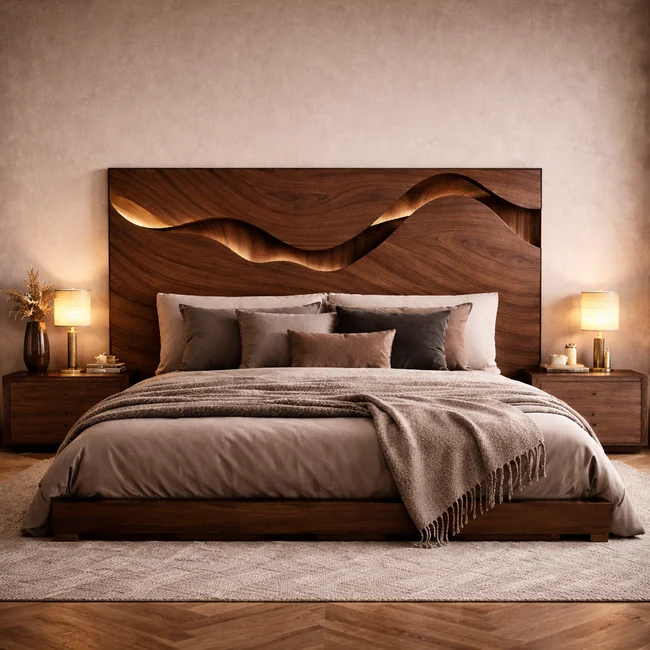
Color is one of the easiest ways to change the atmosphere of a bedroom.
Modern bedrooms often use neutral colors because they create a calm visual environment and work well with different furniture styles.
Popular choices include:
- Warm white
- Beige
- Cream
- Taupe
- Soft gray
- Light brown
- Muted green
- Charcoal
A neutral palette does not mean the room has to look boring.
Texture, lighting, artwork, bedding, and natural materials can add visual interest without introducing too many strong colors.
Warm Neutrals for a Luxury Look
Warm neutral colors can make a bedroom feel more comfortable than a completely white interior.
Beige walls combined with natural wood, cream bedding, soft lighting, and textured fabrics can create a sophisticated hotel-inspired appearance.
For a more contemporary look, darker accents such as charcoal, black, or deep brown can be introduced through furniture and lighting.
2. Create a Statement Headboard
The bed is naturally the focal point of most bedrooms.
A statement headboard can make the bed feel more substantial while adding personality to the room.
Popular options include:
- Upholstered headboards
- Floor-to-ceiling headboards
- Natural wood panels
- Fluted wood walls
- Fabric wall panels
- Leather headboards
- Integrated shelving
A floor-to-ceiling headboard can create a strong architectural feature behind the bed.
Instead of treating the wall as a blank surface, it becomes part of the overall design.
Upholstered Headboards
Upholstered headboards can add softness and texture.
Neutral fabrics such as linen, boucle, or textured cotton can work particularly well in modern bedrooms.
A large upholstered headboard can also make a standard bed appear more luxurious without requiring an expensive bed frame.
3. Use Layered Bedroom Lighting
Lighting is one of the most important elements of bedroom design.
A single overhead light rarely creates the atmosphere needed for a comfortable bedroom.
Modern bedroom lighting can combine:
- Ambient lighting
- Bedside lighting
- Accent lighting
- Reading lights
- Decorative lighting
- Indirect LED lighting
Bedside Lighting
Wall-mounted reading lights can save space on a bedside table while providing focused illumination.
Pendant lights can also be installed on either side of the bed to create a more architectural appearance.
Indirect Lighting
LED strips can be incorporated behind a headboard, beneath furniture, or inside architectural features.
Indirect light creates a softer atmosphere than exposed bulbs.
A dimmer system can make the lighting even more flexible by allowing homeowners to adjust brightness according to the time of day.
4. Add Natural Wood
Natural wood can introduce warmth into a contemporary bedroom.
It can be used for:
- Flooring
- Headboards
- Wall panels
- Bed frames
- Nightstands
- Wardrobes
- Ceiling details
Wood works particularly well with neutral colors.
For example, light oak paired with beige walls and cream bedding can create a warm Scandinavian-inspired bedroom.
Darker wood can produce a more dramatic luxury appearance.
The important consideration is consistency. Too many unrelated wood tones can make the room feel visually disconnected.
5. Invest in High-Quality Bedding
Bedding occupies a large portion of the bedroom visually and has an obvious impact on comfort.
High-quality bedding can make a room feel more luxurious without requiring a complete renovation.
Consider:
- Natural cotton
- Linen
- Layered blankets
- Textured throws
- Decorative pillows
- Quality duvet inserts
Neutral bedding is particularly versatile.
White, cream, beige, and soft gray can create a hotel-inspired appearance while allowing accent colors to be introduced through pillows and throws.
The goal should be to create layers rather than simply using a large number of decorative pillows.
6. Design a Comfortable Seating Area
If the bedroom is large enough, consider adding a small seating area.
Possible options include:
- Lounge chair
- Bench
- Small sofa
- Reading chair
- Window seat
- Accent table
A seating area can make a large bedroom feel more complete.
It also provides a place to read, drink coffee, or relax without using the bed.
Bedroom Seating for Small Spaces
A seating area does not require a large room.
A single comfortable chair near a window can create a useful reading corner.
A bench at the end of the bed can also provide seating without consuming much space.
7. Create Custom Bedroom Storage
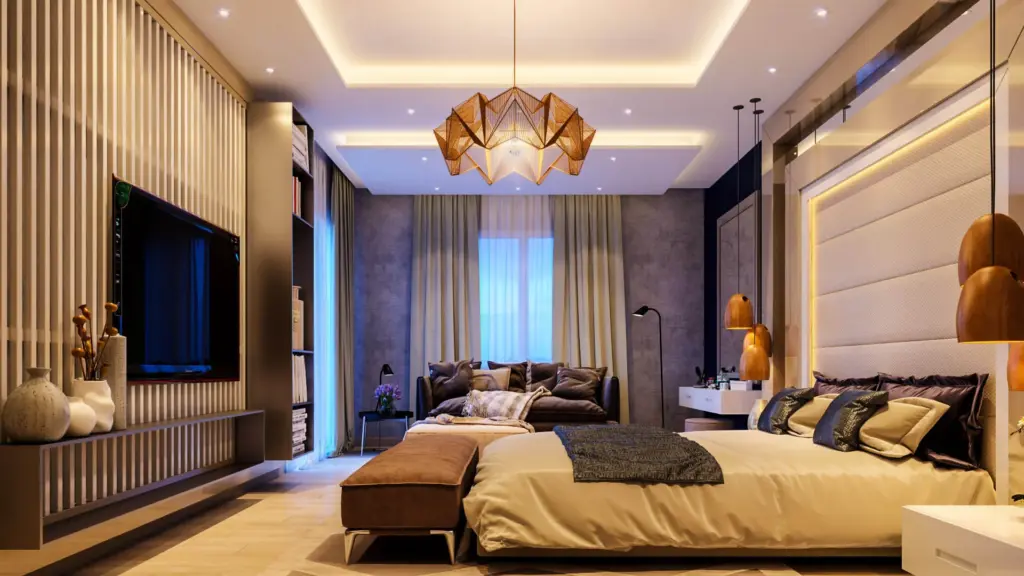
Storage is essential for maintaining a calm bedroom.
Clothing, accessories, shoes, electronics, and personal belongings can quickly create clutter.
Custom storage solutions can make better use of the available space.
Options include:
- Built-in wardrobes
- Floor-to-ceiling cabinets
- Walk-in closets
- Under-bed storage
- Built-in drawers
- Wall-mounted shelving
Floor-to-Ceiling Wardrobes
Tall wardrobes make use of vertical space and provide significant storage capacity.
They can also be designed to blend into the architecture.
Using the same or complementary finish as the walls can make the storage appear less visually dominant.
8. Design a Luxury Walk-In Closet
For larger bedrooms, a walk-in closet can become an important part of the overall design.
A well-designed closet can include:
- Hanging areas
- Drawers
- Shoe storage
- Jewelry storage
- Mirrors
- Built-in lighting
- Seating
- Display shelving
Lighting is particularly important in a walk-in closet.
LED strips inside cabinets can make it easier to find clothing while creating a high-end appearance.
Glass-front cabinets can also display accessories while protecting them from dust.
9. Choose the Right Bedroom Flooring
Bedroom flooring affects both appearance and comfort.
Common choices include:
Hardwood
Hardwood creates a timeless appearance and works with a wide range of interior styles.
Carpet
Carpet can provide warmth and softness, particularly in colder climates.
Luxury Vinyl
Luxury vinyl flooring can provide the appearance of wood while offering durability and easier maintenance.
Area Rugs
An area rug can add warmth and texture even when the room already has hardwood or another hard flooring material.
A large rug positioned beneath the bed can visually anchor the room.
10. Use Curtains to Improve the Room
Window treatments can have a surprisingly strong effect on bedroom design.
Floor-to-ceiling curtains can make windows appear larger and ceilings feel taller.
For a luxury bedroom, consider layering:
- Sheer curtains
- Blackout curtains
- Decorative side panels
Blackout curtains can also improve sleeping comfort by reducing outside light.
Motorized shades are another option for modern homes.
They can be programmed to open and close automatically according to schedules or sunlight.
11. Incorporate Smart Home Technology
Smart technology can improve both comfort and convenience in the bedroom.
Potential features include:
- Smart lighting
- Motorized shades
- Smart thermostats
- Automated climate control
- Smart speakers
- USB charging outlets
- Smart switches
One of the most useful upgrades is integrated lighting control.
A homeowner can create different lighting scenes for waking up, reading, relaxing, and preparing for sleep.
Technology should remain visually subtle.
The best smart bedroom designs integrate devices into the architecture rather than filling the room with visible electronics.
12. Create a Relaxing Reading Corner
A reading corner can make a bedroom feel more personalized.
A basic setup may require only:
- Comfortable chair
- Small table
- Reading lamp
- Floor lamp
- Bookshelf
Position the chair near natural light when possible.
A corner near a window can become particularly attractive during the daytime.
For a larger bedroom, built-in shelving can create a small library-like environment.
13. Add an Accent Wall
An accent wall can provide visual depth without requiring every wall to have a decorative treatment.
Popular bedroom accent wall options include:
- Wood paneling
- Wallpaper
- Textured plaster
- Stone
- Decorative paint
- Fabric panels
The wall behind the bed is usually the most natural location.
A subtle accent is often more effective than an extremely dramatic pattern.
For example, vertical wood slats can add texture and architectural interest while maintaining a modern appearance.
14. Improve Bedroom Acoustics
Comfort is not only visual.
Noise can have a major impact on how relaxing a bedroom feels.
Several design choices can help reduce unwanted sound.
These may include:
- Thick curtains
- Upholstered furniture
- Area rugs
- Soft bedding
- Acoustic wall panels
- Solid-core doors
- Properly sealed windows
For bedrooms located near busy streets or shared living areas, improving sound insulation can be particularly valuable.
An acoustically comfortable bedroom can feel more private and peaceful.
15. Connect the Bedroom With Nature
Natural elements can make a bedroom feel more relaxing.
If the room has windows overlooking a garden, balcony, or attractive landscape, design the room to take advantage of the view.
Natural materials can also create a connection with the outdoors.
Consider incorporating:
- Natural wood
- Stone
- Indoor plants
- Linen
- Woven materials
- Natural daylight
Large windows can provide excellent natural lighting during the day.
However, privacy should also be considered, particularly for bedrooms located near neighboring properties.
How to Make a Small Bedroom Look More Luxurious
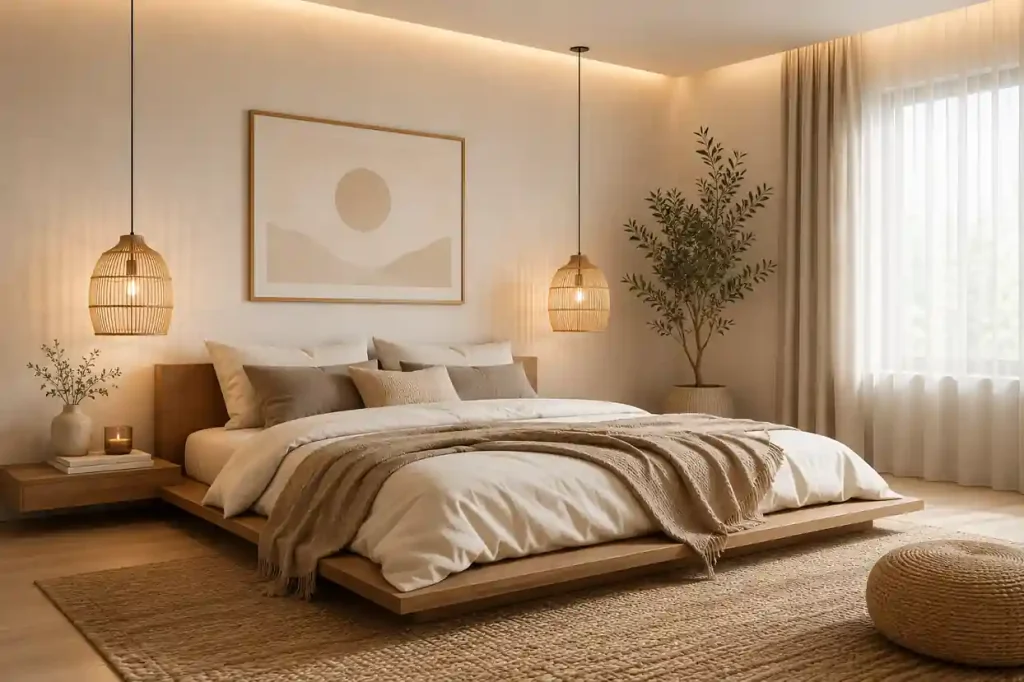
Luxury design is not limited to large bedrooms.
Several techniques can make a small bedroom feel more sophisticated.
Use a Limited Color Palette
Too many colors can make a small room feel visually busy.
A controlled palette creates a cleaner appearance.
Use Mirrors Carefully
Mirrors can reflect light and create the perception of additional space.
A large mirror on a wardrobe door can be particularly useful.
Choose Proportional Furniture
Oversized furniture can quickly overwhelm a small bedroom.
Select pieces that provide the required functionality without blocking circulation.
Use Vertical Space
Tall wardrobes, vertical wall panels, and floor-to-ceiling curtains can draw attention upward.
This can make the room feel taller.
Keep Surfaces Organized
A cluttered bedside table can make the entire room feel smaller.
Built-in storage can help keep everyday items out of sight.
How to Make a Master Bedroom Feel Like a Luxury Hotel
Hotel-inspired bedrooms are popular because they combine comfort, simplicity, and consistency.
To create a similar atmosphere, focus on several elements.
Symmetry
Matching bedside tables and lighting can create visual balance.
Layered Bedding
Use multiple layers of bedding rather than one thin blanket.
Soft Lighting
Avoid relying entirely on bright overhead lighting.
Neutral Colors
Warm whites, beige, taupe, and soft gray create a calm foundation.
Quality Materials
Natural wood, stone, linen, wool, and high-quality textiles can improve the tactile experience.
Minimal Clutter
Luxury hotels typically keep decorative objects relatively controlled.
The same principle can work in a residential bedroom.
How Much Does a Bedroom Remodel Cost?
Bedroom remodeling costs vary depending on the scope of work.
A cosmetic update may involve:
- Paint
- Lighting
- Flooring
- Curtains
- Furniture
- Hardware
A larger renovation may include:
- New flooring
- Built-in wardrobes
- Electrical work
- New windows
- Ceiling modifications
- Wall construction
- Custom cabinetry
- Lighting systems
The cost can increase significantly when structural changes are involved.
Before beginning a major bedroom renovation, determine whether the desired result can be achieved through cosmetic improvements or whether the room genuinely requires structural changes.
Where to Spend Money on a Bedroom Renovation
Not every bedroom upgrade needs to be expensive.
If the budget is limited, prioritize improvements that affect daily comfort.
Good candidates include:
Quality mattress:
A comfortable mattress can have a greater practical impact than decorative furniture.
Lighting:
Well-designed lighting can improve both functionality and atmosphere.
Storage:
Good storage reduces clutter and improves the usability of the room.
Window treatments:
Quality curtains or shades can improve privacy, light control, and appearance.
Flooring:
Comfortable and durable flooring can significantly change the feel of the room.
Common Bedroom Design Mistakes
Too Much Furniture
A bedroom should have enough furniture to meet practical needs without blocking circulation.
Poor Lighting
A single bright ceiling light can make the room feel harsh.
Ignoring Storage
Insufficient storage often results in visible clutter.
Oversized Furniture
Furniture should be proportional to the room.
Too Many Decorative Items
Luxury interiors usually rely on carefully selected pieces rather than excessive decoration.
Choosing Trends Over Longevity
Major bedroom furniture and built-in elements can last for years.
Choose timeless foundations and use smaller accessories to experiment with trends.
Should You Remodel a Bedroom Before Selling Your Home?
A bedroom renovation can improve the presentation of a property, but homeowners should carefully evaluate the potential return before making a major investment.
Simple improvements may be more practical than a complete remodel.
Fresh paint, updated lighting, clean flooring, improved storage, and attractive window treatments can make a bedroom feel significantly newer.
If the existing room is functional and structurally sound, an expensive renovation may not be necessary.
The best strategy depends on the property, local market, condition of comparable homes, and overall renovation budget.
Final Thoughts
A modern bedroom should balance comfort, functionality, privacy, storage, lighting, and visual design.
The most effective luxury bedroom designs are not necessarily the most expensive. They use proportion, texture, natural materials, carefully selected furniture, and layered lighting to create an environment that feels calm and refined.
Start with the fundamentals: a comfortable layout, appropriate furniture, good lighting, practical storage, and quality bedding.
Then add architectural details such as a statement headboard, custom wardrobes, natural wood panels, accent walls, or smart technology.
Whether you are designing a large primary suite or updating a small bedroom, the same principle applies: every element should contribute to the way the room feels and functions.
A successful bedroom renovation is ultimately about creating a space that feels comfortable enough for everyday living and refined enough to feel like a personal retreat.