Planning a home renovation can be exciting, but one of the first questions most homeowners ask is: How much does a home remodel cost?
The answer depends on several factors, including the size of your home, the rooms being renovated, the quality of materials, labor rates in your area, and whether the project requires structural or electrical work.
In 2026, homeowners can spend anywhere from a few thousand dollars on a small remodeling project to well over $100,000 for a major whole-house renovation. According to current cost data, a complete renovation of a 1,250- to 1,600-square-foot home averages around $52,133, with typical projects ranging from approximately $19,470 to $88,345.
This guide explains the average home remodeling cost, the price of renovating individual rooms, the biggest factors that affect your budget, and practical ways to reduce renovation expenses without sacrificing quality.
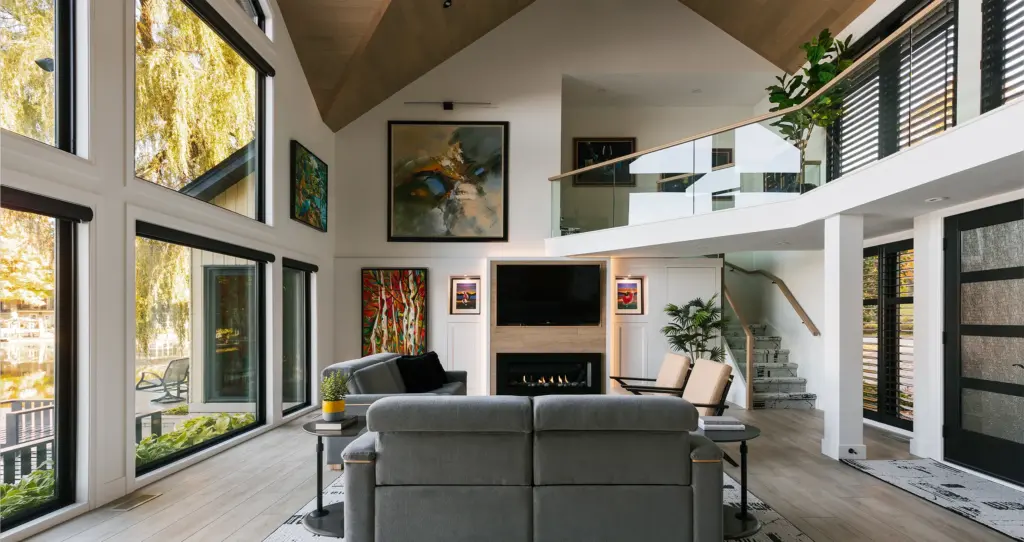
Average Home Remodeling Cost in 2026
The average cost of remodeling a home varies significantly depending on the scope of the project.
For a smaller renovation involving cosmetic improvements, homeowners may spend only a few thousand dollars. A larger renovation involving multiple rooms, new flooring, updated plumbing, electrical work, kitchen improvements, and bathroom remodeling can easily reach tens of thousands of dollars.
Current 2026 data from Angi puts the average whole-house remodeling cost at approximately $52,000, although projects can range from about $3,000 to $225,000 depending on the scope and rooms involved.
For a more typical 1,250- to 1,600-square-foot complete renovation, the reported range is approximately $19,470 to $88,345, with an average of $52,133.
| Remodeling Project | Typical 2026 Cost |
|---|---|
| Whole-house renovation | $19,470–$88,345 |
| Kitchen remodel | $14,587–$41,546 |
| Bathroom remodel | $2,500–$30,000 |
| Living room remodel | $2,500–$15,000 |
| Multiple-room remodel | $15–$150 per sq. ft. |
These figures are useful for initial planning, but they should not be treated as a fixed quote. Local labor rates, material choices, home condition, permits, and project complexity can significantly change the final price.
Home Remodeling Cost by Room
One of the easiest ways to estimate a renovation budget is to look at each room separately.
Kitchen Remodeling Cost
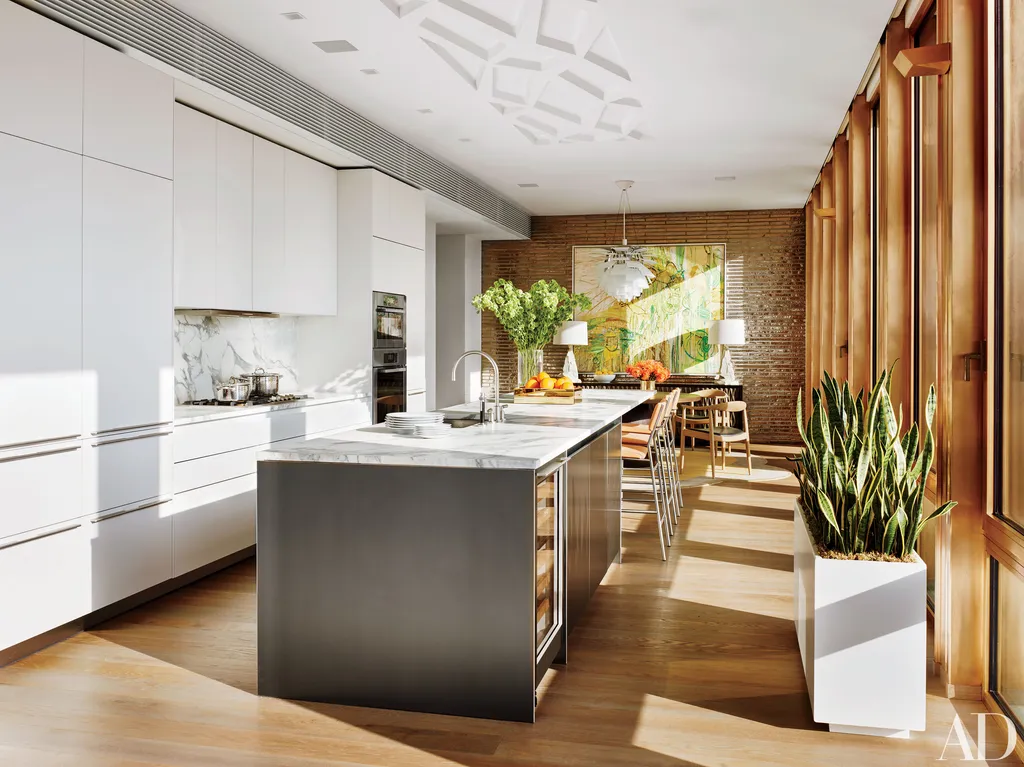
The kitchen is often one of the most expensive rooms to remodel because it combines cabinetry, countertops, appliances, flooring, plumbing, electrical work, and lighting.
In 2026, professional kitchen remodeling projects typically range from approximately $14,587 to $41,546, with an average of about $26,941 according to current Angi data.
A basic kitchen refresh might involve:
- Repainting cabinets
- Replacing cabinet hardware
- Installing new lighting
- Updating countertops
- Replacing flooring
- Installing a new backsplash
A more extensive kitchen renovation could involve completely replacing cabinets, moving plumbing, installing premium appliances, changing the layout, and upgrading electrical systems.
If you want to control your kitchen renovation cost, keeping the existing layout can make a significant difference because moving plumbing and electrical connections can add substantial labor.
Bathroom Remodeling Cost
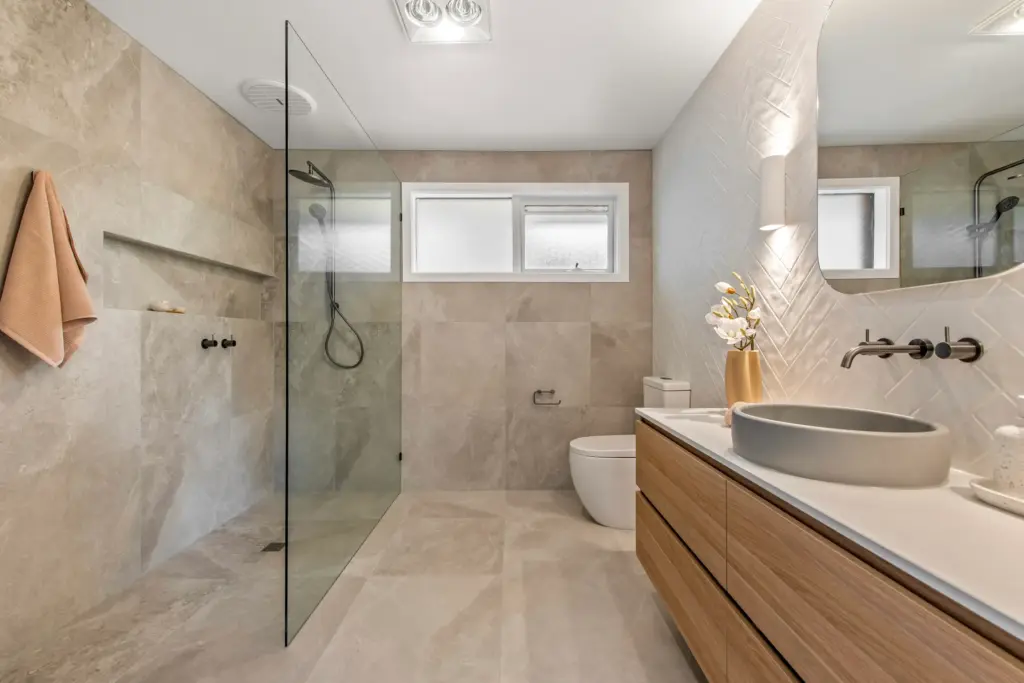
Bathroom renovations can range from relatively inexpensive cosmetic updates to major renovations involving plumbing relocation and custom fixtures.
Current 2026 data shows that bathroom remodeling projects average around $12,146, with reported costs ranging from approximately $2,500 to $30,000.
A budget bathroom renovation might include:
- New paint
- Updated lighting
- New vanity
- Replacement fixtures
- New flooring
- Refinished bathtub
A higher-end bathroom remodel could include a walk-in shower, premium tile, custom cabinetry, heated flooring, upgraded plumbing fixtures, and improved ventilation.
The size of the bathroom is important, but material quality and the amount of plumbing work can have an even greater effect on the final cost.
Living Room Remodeling Cost
Living rooms are generally less expensive to remodel than kitchens and bathrooms because they typically require less plumbing and specialized equipment.
Current estimates place living room remodeling costs around $2,500 to $15,000, depending on the room size, materials, flooring, lighting, and structural changes.
A simple living room renovation could involve painting, new flooring, updated lighting, and built-in storage.
More extensive projects may include removing walls to create an open-concept layout, installing custom cabinetry, replacing windows, or upgrading electrical systems.
What Factors Affect Remodeling Costs?

There is no single price for a home renovation because every property is different.
1. Home Size
Larger homes generally require more materials and labor. However, square footage is not the only factor.
A 2,000-square-foot home with a simple cosmetic renovation could cost less than a 1,200-square-foot home requiring major plumbing, electrical, and structural work.
2. Scope of the Project
The scope of work is one of the biggest factors affecting your renovation budget.
Replacing flooring and painting walls is very different from removing walls, relocating plumbing, upgrading electrical wiring, and installing new HVAC equipment.
Before requesting contractor estimates, make a detailed list of everything you want changed.
3. Material Quality
Materials can dramatically change the final remodeling cost.
For example, homeowners can choose between budget, mid-range, and premium options for:
- Cabinets
- Countertops
- Flooring
- Bathroom fixtures
- Windows
- Doors
- Lighting
- Appliances
Choosing premium materials throughout the entire project can quickly increase the budget.
4. Labor Costs
Labor is another major component of home renovation expenses.
Projects involving licensed electricians, plumbers, HVAC professionals, structural engineers, or specialized contractors can cost significantly more than basic cosmetic work.
Local labor rates also vary considerably from one city or state to another.
5. Structural Changes
Changing the existing layout can increase remodeling costs.
Removing walls, creating new doorways, changing ceiling structures, moving plumbing, or modifying electrical systems often requires additional planning, permits, materials, and specialized labor.
Whenever possible, keeping major systems in their existing locations can help reduce renovation expenses.
Labor vs. Materials: Where Does Your Money Go?
Homeowners sometimes focus heavily on the price of materials and underestimate labor.
A renovation quote may include:
- Demolition
- Site preparation
- Construction labor
- Plumbing
- Electrical work
- Carpentry
- Flooring installation
- Painting
- Cleanup
- Material delivery
- Permits and inspections
Labor can represent a substantial portion of a remodeling budget, particularly when a project involves skilled trades.
For this reason, comparing contractor estimates based solely on the total price can be misleading.
Instead, ask each contractor for a detailed breakdown of labor, materials, permits, demolition, and other project costs.
One of the biggest mistakes homeowners make is budgeting only for the visible renovation work.
Unexpected expenses can appear after demolition begins.
For example, contractors may discover:
- Water damage
- Mold
- Outdated electrical wiring
- Damaged plumbing
- Structural problems
- Foundation issues
- Poor insulation
- Hidden termite damage
Permits and other project-related expenses should also be considered before construction begins. Angi specifically recommends accounting for permits, alternative living arrangements, and potential structural or remediation work when preparing a renovation budget.
A practical approach is to maintain a contingency fund rather than allocating every dollar of your budget to planned improvements.
For example, if your planned renovation budget is $50,000, you may want additional funds available for unexpected repairs rather than assuming the entire $50,000 can be spent on finishes and upgrades.
How to Create a Home Renovation Budget
Creating a detailed budget before construction begins can prevent many financial surprises.
Start by separating your project into categories.
Step 1: Define the Scope
Write down exactly what you want to renovate.
Instead of saying “remodel the kitchen,” list the individual improvements:
- Replace cabinets
- Install new countertops
- Replace flooring
- Upgrade lighting
- Install backsplash
- Replace appliances
Step 2: Separate Must-Haves From Upgrades
Not every improvement needs to happen at the same time.
Create two lists:
Essential improvements:
Repairs and upgrades that are necessary for safety, functionality, or preventing future damage.
Optional improvements:
Luxury finishes, decorative upgrades, premium appliances, and other enhancements.
This makes it easier to reduce your budget if contractor quotes are higher than expected.
Step 3: Get Multiple Contractor Estimates
Obtaining multiple estimates can help you understand the local market.
However, do not automatically choose the cheapest contractor.
Compare:
- Scope of work
- Materials
- Labor
- Timeline
- Warranty
- Licensing
- Insurance
- Payment schedule
- Previous project experience
A very low estimate may not include important work that another contractor has included.
Step 4: Keep a Contingency Budget
Unexpected problems are common during renovation projects.
Having additional funds available gives you flexibility when conditions change after demolition or construction begins.
Ways to Reduce Home Remodeling Costs
You do not necessarily need a huge budget to make meaningful improvements.
Keep the Existing Layout
One of the simplest ways to reduce renovation costs is to avoid moving plumbing, electrical connections, and major structural elements.
This is particularly useful for kitchens and bathrooms.
Choose Mid-Range Materials
The most expensive materials are not always necessary.
A well-designed kitchen with mid-range cabinets and attractive countertops can look significantly more expensive than it actually is.
Renovate in Phases
Instead of renovating the entire house at once, consider completing the project in stages.
For example:
Phase 1: Kitchen
Phase 2: Bathrooms
Phase 3: Living areas
Phase 4: Bedrooms
Phase 5: Exterior improvements
Phased remodeling can make a large project easier to finance and manage.
Reuse What You Can
Not everything needs to be replaced.
Existing cabinets, doors, lighting fixtures, or flooring may sometimes be refinished or reused.
The right approach depends on the condition and age of each component.
Should You Remodel or Move?
For homeowners who are unhappy with their current property, remodeling is not always the only option.
Moving may make more sense if the house has major structural problems, the neighborhood no longer fits your needs, or the renovation required would be extremely extensive.
On the other hand, remodeling can make sense when you already like your location and the home’s basic structure is suitable for your needs.
Consider the total cost of both options.
For remodeling, include construction, materials, permits, temporary accommodation, and financing costs.
For moving, consider the purchase price, closing costs, moving expenses, agent fees, and the cost of making improvements to the new property.
The right decision depends on your finances, long-term plans, and the condition of your existing home.
Frequently Asked Questions
How much does the average home remodel cost?
In 2026, whole-house remodeling costs average around $52,000, although actual projects can range from a few thousand dollars to more than $100,000 depending on the scope.
What is the most expensive room to remodel?
Kitchens are often among the most expensive rooms because they require cabinetry, appliances, countertops, flooring, plumbing, electrical work, and specialized installation.
How much does a kitchen remodel cost?
A professional kitchen remodel currently averages around $26,941, with typical reported costs ranging from approximately $14,587 to $41,546.
How much does a bathroom remodel cost?
Bathroom remodeling costs average approximately $12,146, although projects can range from around $2,500 to $30,000 depending on the scope, materials, and location.
How can I lower my remodeling costs?
Keeping the existing layout, comparing contractor estimates, selecting mid-range materials, reusing suitable components, and renovating in phases can all help control costs.
Should I get multiple remodeling quotes?
Yes. Getting several detailed estimates can help you compare local pricing and identify differences in project scope. Make sure you compare what each contractor actually includes rather than looking only at the final price.
Final Thoughts
The cost of a home remodel can vary enormously, but understanding the major cost drivers makes it easier to create a realistic renovation budget.
For 2026, a complete renovation of a typical 1,250- to 1,600-square-foot home can average around $52,133, while individual projects such as kitchen and bathroom remodeling can range from several thousand dollars to tens of thousands of dollars.
The best way to control your home remodeling cost is to define the scope before construction begins, compare detailed contractor estimates, prioritize essential improvements, and keep additional funds available for unexpected problems.
A successful renovation is not necessarily the one with the most expensive materials. It is the one that balances cost, functionality, durability, design, and long-term value.